Prophecy vs. Free will
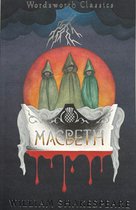
“Macbeth, that shalt be king hereafter!”(1.3.50). This is what the three witches said to
Macbeth and his noble partner Banquo. Although Macbeth was already the thane of
Glamis. Did Macbeth become a king, because of the prophecy or because of his will?
To begin with, Macbeth would have become a king without the influence of the
prophecy. The courageous general, became a the thane of Cawdor short after the
original Thane was sentenced to death. Macbeth was also a humble and noble man,
this is why he was chosen by King Duncan. “for an earnest of greater honor, call thee
thane of Cawdor.” (1.3.106-107) When Macbeth became the thane of Cawdor, he
started to believe that the prophecy was true and not a lie. The free will is more
significant for Macbeth’s fate then the prophecy. He did not become a thane,
because of the three witches. “If chance will have me king, why, chance may crown
me.” (1.3.146) The reason for that was his nobility and courage.
Furthermore, Macbeth killed King Duncan to become king. Macbeth had a
supernatural temptation that he could not control. He found himself thinking about
murdering King Duncan. “Whose horrid image doth unfix my hair.” (1.3.137) Macbeth
caught himself thinking about this horrifying idea. As a result of Malcom becoming
the new prince of Cumberland, Macbeth realized he has to take actions himself. “On
which I must fall down, or else o’erleap” (1.4.51) So, Macbeth’s actions (free will) had
did have more significant for his fate again.
”Justice commends the ingredients of our poisoned chalice. ” (1.7) On the other
hand, Macbeth found that is was important to not commit violent crimes. The king
trusted him in two ways. Macbeth was King Duncan’s kinsman and he has to protect
the king. King Duncan was a humble leader to Macbeth and to other people. “This
Duncan Hath borne his faculties so meek.” (1.7.17) Macbeth did not want to kill the
king, because of this, the play seems to present that the prophecy is also significant
to Macbeth’s fate.
“Macbeth, that shalt be king hereafter!”(1.3.50). This is what the three witches said to
Macbeth and his noble partner Banquo. Although Macbeth was already the thane of
Glamis. Did Macbeth become a king, because of the prophecy or because of his will?
To begin with, Macbeth would have become a king without the influence of the
prophecy. The courageous general, became a the thane of Cawdor short after the
original Thane was sentenced to death. Macbeth was also a humble and noble man,
this is why he was chosen by King Duncan. “for an earnest of greater honor, call thee
thane of Cawdor.” (1.3.106-107) When Macbeth became the thane of Cawdor, he
started to believe that the prophecy was true and not a lie. The free will is more
significant for Macbeth’s fate then the prophecy. He did not become a thane,
because of the three witches. “If chance will have me king, why, chance may crown
me.” (1.3.146) The reason for that was his nobility and courage.
Furthermore, Macbeth killed King Duncan to become king. Macbeth had a
supernatural temptation that he could not control. He found himself thinking about
murdering King Duncan. “Whose horrid image doth unfix my hair.” (1.3.137) Macbeth
caught himself thinking about this horrifying idea. As a result of Malcom becoming
the new prince of Cumberland, Macbeth realized he has to take actions himself. “On
which I must fall down, or else o’erleap” (1.4.51) So, Macbeth’s actions (free will) had
did have more significant for his fate again.
”Justice commends the ingredients of our poisoned chalice. ” (1.7) On the other
hand, Macbeth found that is was important to not commit violent crimes. The king
trusted him in two ways. Macbeth was King Duncan’s kinsman and he has to protect
the king. King Duncan was a humble leader to Macbeth and to other people. “This
Duncan Hath borne his faculties so meek.” (1.7.17) Macbeth did not want to kill the
king, because of this, the play seems to present that the prophecy is also significant
to Macbeth’s fate.