NR 507 Week 1 Immune Response Chamberlain
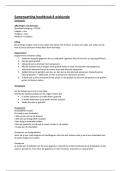
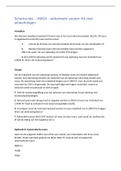
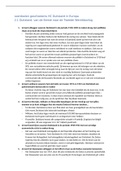
Week 1 Immune Response Hypersensitivity Immunodeficiency Autoimmunity Weekly objectives 1. WO1.1-Analyze pathophysiological mechanisms associated with alterations in immune structure process. (CO1) 2. WO1.3- Differentiate between normal and abnormal immune structure and function. (CO1) 3. WO1.2- Describe outcomes of disruptive or alteration in immune processes. (CO2) 4. WO1.4- Apply a clinical practice guideline in the management of a patient with altered immune function. (CO5) Hypersensitivity Hypersensitivity Reactions The immune system functions to eliminate pathogens from the body using various mechanisms. A pathogen is just simply a bacterium, virus or other microorganism that can cause disease. These mechanisms typically create a localized inflammatory response that effectively eliminates the pathogen without minimal damage to the surrounding tissue. Besides pathogens, individuals come into contact with numerous foreign antigens, such as plant pollen and food. Contact with these environmental antigens does not elicit an immune response in the majority of individuals. However, in certain predisposed individuals, the immune system can mount a response to these generally innocuous antigens, resulting in tissue damage that ranges from mild irritation to life-threatening anaphylactic shock. These immune responses are referred to as allergic reactions or hypersensitivity reactions. Hypersensitivity reactions can be divided into four categories, Type I to Type IV, distinguished by the cell types and effector molecules involved.

Geschreven voor
- Instelling
- NR 507 ADVANCED PATHOPHYSIOLOGY
- Vak
- NR 507 ADVANCED PATHOPHYSIOLOGY
Documentinformatie
- Geüpload op
- 12 juni 2024
- Aantal pagina's
- 4
- Geschreven in
- 2023/2024
- Type
- OVERIG
- Persoon
- Onbekend
Onderwerpen
-
nr 507 week 1 immune response chamberlain