Qualitative
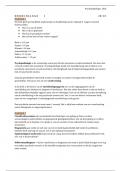
RQ What/how/why
Aim Understanding experiences, contextualization, interpretation, explaining processes
Approach Interpretive > emphasizes understanding human experiences
Methodology/design
Grounded theory Qualitative research method where theories are developed inductively from data. Involves collecting and analyzing data
allowing theory to emerge from the data itself rather than starting with a hypothesis
Phenomenological Focus on understanding how individuals experience and interpret the world. Unstructured methods of data collection,
inductive
Ethnographic Qualitative approach that involves the researcher in a community or culture to observe and describe behaviors and daily
life from the perspective of the subjects (study cultures or groups)
Action research Collaboration between researcher and practitioners in the field, collect information on attitudes and perspectives, can be
un/structured (participatory problem solving)
Case study In depth investigation of a single case (organization/event/individual) within its real-life context to explore
Pragmatic Focuses on practical solution-oriented, whatever methods are best suited to address the research question.
Methods
Interview Want to understand experiences, attitudes and values
- Narrative interview > focus on individual experiences over extended periods of time, understanding personal
stories
Questionnaires and surveys Drawing a representative sample from the population > generalizability of results
Focus group Gaining information about views, perspectives and interactions within a group
Non-participant observations Where the researcher observes without directly engaging
Ethnography and participant Understand cultural phenomena, cultural groups within their own environment
observations
Visual research methods Help provide insights into difficult, emotional or sensitive experiences and issues
- Photo voice > emphasizes empowerment and social change among marginalized communities, the wish to
change the world
Arts based method Use of artistic processes in order to understand and articulate the subjectivity of human experience
Type of analysis
Content analysis Making inferences about data by systematically and objectively identifying special characteristics
Thematic analysis Identifying, analyzing and reporting patterns in data
Grounded theory Discovery and construction of theory through open analysis of data > theory building
Narrative analysis Capturing the live experiences of participants
Conservational analysis Everyday conversations, how do the participants express themselves
Discourse analysis How spoken and written language is used in context
Vertical analysis Within respondents > focused on understanding the essence of the individual, the narrative
Horizontal analysis Between respondents > focused on comparison of content of data, pay attention to diversity
Quality criteria
Credibility Internal validity > to which the study findings are trustworthy and believable to others
Transferability External validity > generalizability, to which the findings can be transferred or applied in different settings
Dependability Reliability > to which the findings are consistent in relation to the contexts in which they were generated
, Confirmability Objectivity > to which the findings are based on the study’s participants and settings instead of researcher’s bias
Quantitative
RQ What/how (much)
Aim Measuring features, classification, generalizability, impact, correlations. Quantify relationships
Approach Positivist > objective reality that can be measured, deductive
Levels of measurement Categorical > nominal & ordinal & continuous > interval & ratio
Methods
Survey research Uses structured questionnaires or interviews to collect numerical data from large populations, aims for generalization
- Cross-sectional > collect data at a specific point in time
- Longitudinal > repeatedly collect data from the same population over time
Analytic studies Focuses on analyzing relationships between variables, often using statistical tools like correlation and regression for
hypothesis testing
- Descriptive > summarizing data patterns
- Inferential > testing hypotheses
Quasi experimental When randomization is not possible, looking for cause-effect relationships. Less control over confounders
Experimental Manipulate variables, randomly assignment of participants to determine causal relationships
Reliability
Aim Do these items belong together, are they related to each other?
Internal consistency Do they belong together > correlation coefficient
- The closer to 1 the better, more relation between the items
Test-retest design Interrater > 2 or more raters give the same score
Intrarater > does the same rater gives the same score
- Short intervals between the measures, external criteria for the stability
Measurement error The systematic and random error that is not attributed to true changes in the construct to be measured > use a test-
retest
- SEM > estimates how repeated measures of a person on the same instrument tent to be distributed
- Bland Altman plot > two person’s measure
Validity
Aim The degree to which an outcome measurement measures the construct it proposes to measure
Content validity The degree to which the content of an instrument is an adequate reflection of the construct wanting to be measured
- Comprehensibility of items of response options > are the questions understandable if you ask something
- Relevance of items of response options > are all items relevant
- Face validity > the degree to which the instrument indeed looks like an adequate reflection
Criterion validity Compare your tool with a golden standard (external criteria)
- Concurrent validity > agreement between two measurements taken at the same time, between a new
measurement and an already proven valid one
- Predictive validity > ability of the measure/test to predict the outcome
Don’t have a golden standard > use content validity
Construct validity No golden standard, how well a test measures what it is designed to measure? Create your own theoretical framework to
a relatable construct
RQ What/how/why
Aim Understanding experiences, contextualization, interpretation, explaining processes
Approach Interpretive > emphasizes understanding human experiences
Methodology/design
Grounded theory Qualitative research method where theories are developed inductively from data. Involves collecting and analyzing data
allowing theory to emerge from the data itself rather than starting with a hypothesis
Phenomenological Focus on understanding how individuals experience and interpret the world. Unstructured methods of data collection,
inductive
Ethnographic Qualitative approach that involves the researcher in a community or culture to observe and describe behaviors and daily
life from the perspective of the subjects (study cultures or groups)
Action research Collaboration between researcher and practitioners in the field, collect information on attitudes and perspectives, can be
un/structured (participatory problem solving)
Case study In depth investigation of a single case (organization/event/individual) within its real-life context to explore
Pragmatic Focuses on practical solution-oriented, whatever methods are best suited to address the research question.
Methods
Interview Want to understand experiences, attitudes and values
- Narrative interview > focus on individual experiences over extended periods of time, understanding personal
stories
Questionnaires and surveys Drawing a representative sample from the population > generalizability of results
Focus group Gaining information about views, perspectives and interactions within a group
Non-participant observations Where the researcher observes without directly engaging
Ethnography and participant Understand cultural phenomena, cultural groups within their own environment
observations
Visual research methods Help provide insights into difficult, emotional or sensitive experiences and issues
- Photo voice > emphasizes empowerment and social change among marginalized communities, the wish to
change the world
Arts based method Use of artistic processes in order to understand and articulate the subjectivity of human experience
Type of analysis
Content analysis Making inferences about data by systematically and objectively identifying special characteristics
Thematic analysis Identifying, analyzing and reporting patterns in data
Grounded theory Discovery and construction of theory through open analysis of data > theory building
Narrative analysis Capturing the live experiences of participants
Conservational analysis Everyday conversations, how do the participants express themselves
Discourse analysis How spoken and written language is used in context
Vertical analysis Within respondents > focused on understanding the essence of the individual, the narrative
Horizontal analysis Between respondents > focused on comparison of content of data, pay attention to diversity
Quality criteria
Credibility Internal validity > to which the study findings are trustworthy and believable to others
Transferability External validity > generalizability, to which the findings can be transferred or applied in different settings
Dependability Reliability > to which the findings are consistent in relation to the contexts in which they were generated
, Confirmability Objectivity > to which the findings are based on the study’s participants and settings instead of researcher’s bias
Quantitative
RQ What/how (much)
Aim Measuring features, classification, generalizability, impact, correlations. Quantify relationships
Approach Positivist > objective reality that can be measured, deductive
Levels of measurement Categorical > nominal & ordinal & continuous > interval & ratio
Methods
Survey research Uses structured questionnaires or interviews to collect numerical data from large populations, aims for generalization
- Cross-sectional > collect data at a specific point in time
- Longitudinal > repeatedly collect data from the same population over time
Analytic studies Focuses on analyzing relationships between variables, often using statistical tools like correlation and regression for
hypothesis testing
- Descriptive > summarizing data patterns
- Inferential > testing hypotheses
Quasi experimental When randomization is not possible, looking for cause-effect relationships. Less control over confounders
Experimental Manipulate variables, randomly assignment of participants to determine causal relationships
Reliability
Aim Do these items belong together, are they related to each other?
Internal consistency Do they belong together > correlation coefficient
- The closer to 1 the better, more relation between the items
Test-retest design Interrater > 2 or more raters give the same score
Intrarater > does the same rater gives the same score
- Short intervals between the measures, external criteria for the stability
Measurement error The systematic and random error that is not attributed to true changes in the construct to be measured > use a test-
retest
- SEM > estimates how repeated measures of a person on the same instrument tent to be distributed
- Bland Altman plot > two person’s measure
Validity
Aim The degree to which an outcome measurement measures the construct it proposes to measure
Content validity The degree to which the content of an instrument is an adequate reflection of the construct wanting to be measured
- Comprehensibility of items of response options > are the questions understandable if you ask something
- Relevance of items of response options > are all items relevant
- Face validity > the degree to which the instrument indeed looks like an adequate reflection
Criterion validity Compare your tool with a golden standard (external criteria)
- Concurrent validity > agreement between two measurements taken at the same time, between a new
measurement and an already proven valid one
- Predictive validity > ability of the measure/test to predict the outcome
Don’t have a golden standard > use content validity
Construct validity No golden standard, how well a test measures what it is designed to measure? Create your own theoretical framework to
a relatable construct