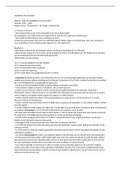
Organizational Culture – Chapter 14
Elements of Organizational Culture
espoused values enacted values
values that corporate leaders hope will values that actually guide and influence decisions
eventually become the organization’s culture, or and behavior; values put into practice
at least the values they want others to believe
guide the organization’s decisions and actions;
usually socially desirable, so they present a
positive public image
dominant culture
values and assumptions shared most consistently
and widely by the organization’s members
counterculture
=
values or assumptions
that directly oppose the
organization’s dominant
culture
subculture
located throughout their various divisions,
geographic regions, and occupational
ORGANIZATIONAL CULTURE ASSUMPTIONS, VALUES, AND ARTIFACTS artifacts
observable symbols and signs
of an organization’s culture
rituals
physical structures
programmes routines of daily
artifacts of language organizational life that dramatize
the organization’s culture
organizational culture
rituals and
ceremonies
ceremonies
stories and legends planned displays of
organizational culture,
conducted specifically for
the benefit of an audience
Shared values
conscious beliefs
organizational culture
evaluate what is good
or bad, right or wrong
Shared assumptions
nonconscious, taken-for-
granted beliefs
implicit mental models,
ideal prototype of behavior
Elements of Organizational Culture
espoused values enacted values
values that corporate leaders hope will values that actually guide and influence decisions
eventually become the organization’s culture, or and behavior; values put into practice
at least the values they want others to believe
guide the organization’s decisions and actions;
usually socially desirable, so they present a
positive public image
dominant culture
values and assumptions shared most consistently
and widely by the organization’s members
counterculture
=
values or assumptions
that directly oppose the
organization’s dominant
culture
subculture
located throughout their various divisions,
geographic regions, and occupational
ORGANIZATIONAL CULTURE ASSUMPTIONS, VALUES, AND ARTIFACTS artifacts
observable symbols and signs
of an organization’s culture
rituals
physical structures
programmes routines of daily
artifacts of language organizational life that dramatize
the organization’s culture
organizational culture
rituals and
ceremonies
ceremonies
stories and legends planned displays of
organizational culture,
conducted specifically for
the benefit of an audience
Shared values
conscious beliefs
organizational culture
evaluate what is good
or bad, right or wrong
Shared assumptions
nonconscious, taken-for-
granted beliefs
implicit mental models,
ideal prototype of behavior