What Is Blockchain?
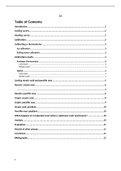
Everything You Need to Know
Intro
History of Blockchain
Blockchain vs relational databases
1. Data structure
2. Decentralization
3. Security
4. Transparency
5. Scalability:
Pros and Cons of Blockchain
Pros
Cons
Key features Of Block Chain
Decentralization
Transparency
Security
Efficiency
Potential Use Cases of Blockchain
1. Cryptocurrencies
2. Supply Chain Management
3. Identity Verification
4. Voting Systems
5. Smart Contracts
6. Healthcare
7. Energy Management
Blockchain Terminology: A Glossary for Beginners
Genesis Block of a BlockChain
Future of blockchain
, Intro
Blockchain is a digital ledger technology that allows for the creation of a
decentralized and secure database. In simple terms, it is a system for recording and
storing data that is difficult to hack or alter.
In a blockchain network, multiple participants or nodes maintain an identical copy of the
ledger, which is updated and verified through a consensus mechanism. This means that
each transaction is recorded and validated by the network, and once it is confirmed, it cannot
be altered or deleted.
The data stored on a blockchain can be anything from financial transactions to digital
identity information or even medical records. The most well-known application of
blockchain technology is Bitcoin, a decentralized digital currency that allows for secure and
anonymous transactions
Everything You Need to Know
Intro
History of Blockchain
Blockchain vs relational databases
1. Data structure
2. Decentralization
3. Security
4. Transparency
5. Scalability:
Pros and Cons of Blockchain
Pros
Cons
Key features Of Block Chain
Decentralization
Transparency
Security
Efficiency
Potential Use Cases of Blockchain
1. Cryptocurrencies
2. Supply Chain Management
3. Identity Verification
4. Voting Systems
5. Smart Contracts
6. Healthcare
7. Energy Management
Blockchain Terminology: A Glossary for Beginners
Genesis Block of a BlockChain
Future of blockchain
, Intro
Blockchain is a digital ledger technology that allows for the creation of a
decentralized and secure database. In simple terms, it is a system for recording and
storing data that is difficult to hack or alter.
In a blockchain network, multiple participants or nodes maintain an identical copy of the
ledger, which is updated and verified through a consensus mechanism. This means that
each transaction is recorded and validated by the network, and once it is confirmed, it cannot
be altered or deleted.
The data stored on a blockchain can be anything from financial transactions to digital
identity information or even medical records. The most well-known application of
blockchain technology is Bitcoin, a decentralized digital currency that allows for secure and
anonymous transactions