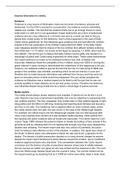
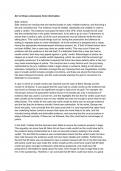
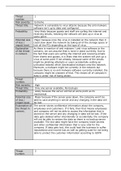
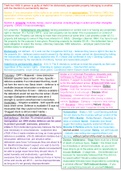
Gpp @ amount
-
of light energy converted to chemical in glucose during
photosynthesis per Unit area per unit
, ,
time Ckj / m2/ Yr) Cbi0maI biomass added per unit area per unit time Cglmzlyr ) day weight
g µ [y⑦g-g-/ [§
NPP biomass available to P consumers
-
weight of vegetation
(Plants use glucose for respiration )
£
GPP respiration
=
NPP -0 -
. some
:÷÷÷÷::::,•m
Low storage chem source
g-
gun
energy his
hitting chloroplast
.
leaves without
② light landing on bare ground or
passing through """ •
µ
abiotic interacts .
usable energy
DD community
•
(Bd r why only 1% ? Ahly 10%
energy transferred btw trophic
levels because :
Flow of energy through ecosystem faeces
§g / %
parts indigestible consumer egests
• as
_ • some
• doesn't eat all parts e.g. roots, bones
metabolism
•
plants use most
of organic compounds they produce to maintain there alien
sink ↳ results in trophic level
2°
Productivity
↓ nasr biomass at each
-
• rate at which consumers convert
material
dead • inedible
threat $
p*ant¢my
chemical detritivores less energy lost
energy of food they digest • * shorter chains more
efficient as
into their Allen new biomass
y;;÷ma oeaam ¢
or
win respiration trophic level decomposer's in terms
of energy capture more efficient forhumans its obtain
energy plants But from
^g,miTÉ
, .
( bae GREATER ASSIMILATION EFFICIENCY when consuming meat
fungi) humans have
•
carnivores such a
farming
as
↑ mineral ion uatake : Kant builds ↳entering cells
to max productivity " °" """" """ " " "
"" 10%
It
.
[ ↑ µ ,; ↑ protein, g, growing to the next 40903
trophic level
=
Bo ecological efficiency -
• % energy transferred from 1-
① fertiliser ,↑ yield how much new material
compare dif ecosystems
.
y.amiason.m.aneseas.naeaangesq.maua.i.me,
→>
② cnn.m.aei.n.a.re.iameon.ne.ee.gnue.n.eu , , a, ,
③ pesticides biological ,
control 01PM to ↓ ?""
gig ↑ spread of disease 10%
£ (8D ✓☆ energy KJ /MY yr • biomass rtime
/
-
weeds
④ herbicides rtiuagedcomsetition from ⑦ accurate rep of energy at a panicukr
g
.
Crich in A-As] one time ⊖ values difficult
⑤ protein-rich diets silage Ms?"
pyramid of No .
biomass level
to obtain one a
in movement that lsssih livestock dit ⊖ have to kill to measure dry mass
-
⑥ Confinement indoors ↓ energy loss ⊖ no allowances for size time period
it
affect
↓
can
⊖ inverted pyramids occur when -0 time of yr
M
routine antibiotics ↓ disease
⑦ ↓ Ron to maintain endotherm high ROR to maintain body temp 1 large organism scissors many ⊖ turnover time not
taken into acc .
hormones to ↑ muscle mass
b°dYhᵗᵗᵗ smaller ones ( oak trees caterpillars) narrows sharply as energy trans so inefficient
⑧ .
Mt
resistance
⑦ easy to collect data
measuring dhf Mass - to
⑧ greenhouses ⑦When is eatable
size of block prop .
level seer
all of organism .
prod of trophic
.
unit time
④ GM crops overshoots available energy .
nitrates absorbed by AT
uptake of nitrogen -0
R00THAlRCEll@qrequiresa-pfromresoir.L
nutrients to ecosystem Have to be recycled by decompose's
entry of
'
there is limited or
'
us new -
NUTRIENT / Y( LYING
@ waterlogged soil low 02
/
free/root nodules plough r drain soil
go
• decamp bae aerobic
> N -
fixing bac
9- legumes
. .
cytoplasmic extension
.
Nitrogen cycle
'
> aenitris-sinsanaero.ie
N
fixing
-
bae
Nz gas in atmosphere
ÉÉy
"" " "" " "↳% . .
" Fixing)
Carbon Cycle bad bae anaerobic Cdenitñfyiug )
~
-
•
CO2 in atmosphere .
R
9
denitrifying
%E % bae
E
Photosynthesis
.
p
combustion ,
nitrates
/ Ammonium tir@ Nitrites
"÷
s
nitrification N°5
P nitrification Nag
Compounds
I 2 carbohydrate in plants > ☐
R E
%¥ʳʰ"ʳʰ•m
A
/ £ eating A Dad
T T
I H
2 carbohydrate in animals I +
0 D
N WE
" Plant Protein
c
e o
decomposer e m
p
Yossi "satin Animal protein
fossil fuels e
-
of light energy converted to chemical in glucose during
photosynthesis per Unit area per unit
, ,
time Ckj / m2/ Yr) Cbi0maI biomass added per unit area per unit time Cglmzlyr ) day weight
g µ [y⑦g-g-/ [§
NPP biomass available to P consumers
-
weight of vegetation
(Plants use glucose for respiration )
£
GPP respiration
=
NPP -0 -
. some
:÷÷÷÷::::,•m
Low storage chem source
g-
gun
energy his
hitting chloroplast
.
leaves without
② light landing on bare ground or
passing through """ •
µ
abiotic interacts .
usable energy
DD community
•
(Bd r why only 1% ? Ahly 10%
energy transferred btw trophic
levels because :
Flow of energy through ecosystem faeces
§g / %
parts indigestible consumer egests
• as
_ • some
• doesn't eat all parts e.g. roots, bones
metabolism
•
plants use most
of organic compounds they produce to maintain there alien
sink ↳ results in trophic level
2°
Productivity
↓ nasr biomass at each
-
• rate at which consumers convert
material
dead • inedible
threat $
p*ant¢my
chemical detritivores less energy lost
energy of food they digest • * shorter chains more
efficient as
into their Allen new biomass
y;;÷ma oeaam ¢
or
win respiration trophic level decomposer's in terms
of energy capture more efficient forhumans its obtain
energy plants But from
^g,miTÉ
, .
( bae GREATER ASSIMILATION EFFICIENCY when consuming meat
fungi) humans have
•
carnivores such a
farming
as
↑ mineral ion uatake : Kant builds ↳entering cells
to max productivity " °" """" """ " " "
"" 10%
It
.
[ ↑ µ ,; ↑ protein, g, growing to the next 40903
trophic level
=
Bo ecological efficiency -
• % energy transferred from 1-
① fertiliser ,↑ yield how much new material
compare dif ecosystems
.
y.amiason.m.aneseas.naeaangesq.maua.i.me,
→>
② cnn.m.aei.n.a.re.iameon.ne.ee.gnue.n.eu , , a, ,
③ pesticides biological ,
control 01PM to ↓ ?""
gig ↑ spread of disease 10%
£ (8D ✓☆ energy KJ /MY yr • biomass rtime
/
-
weeds
④ herbicides rtiuagedcomsetition from ⑦ accurate rep of energy at a panicukr
g
.
Crich in A-As] one time ⊖ values difficult
⑤ protein-rich diets silage Ms?"
pyramid of No .
biomass level
to obtain one a
in movement that lsssih livestock dit ⊖ have to kill to measure dry mass
-
⑥ Confinement indoors ↓ energy loss ⊖ no allowances for size time period
it
affect
↓
can
⊖ inverted pyramids occur when -0 time of yr
M
routine antibiotics ↓ disease
⑦ ↓ Ron to maintain endotherm high ROR to maintain body temp 1 large organism scissors many ⊖ turnover time not
taken into acc .
hormones to ↑ muscle mass
b°dYhᵗᵗᵗ smaller ones ( oak trees caterpillars) narrows sharply as energy trans so inefficient
⑧ .
Mt
resistance
⑦ easy to collect data
measuring dhf Mass - to
⑧ greenhouses ⑦When is eatable
size of block prop .
level seer
all of organism .
prod of trophic
.
unit time
④ GM crops overshoots available energy .
nitrates absorbed by AT
uptake of nitrogen -0
R00THAlRCEll@qrequiresa-pfromresoir.L
nutrients to ecosystem Have to be recycled by decompose's
entry of
'
there is limited or
'
us new -
NUTRIENT / Y( LYING
@ waterlogged soil low 02
/
free/root nodules plough r drain soil
go
• decamp bae aerobic
> N -
fixing bac
9- legumes
. .
cytoplasmic extension
.
Nitrogen cycle
'
> aenitris-sinsanaero.ie
N
fixing
-
bae
Nz gas in atmosphere
ÉÉy
"" " "" " "↳% . .
" Fixing)
Carbon Cycle bad bae anaerobic Cdenitñfyiug )
~
-
•
CO2 in atmosphere .
R
9
denitrifying
%E % bae
E
Photosynthesis
.
p
combustion ,
nitrates
/ Ammonium tir@ Nitrites
"÷
s
nitrification N°5
P nitrification Nag
Compounds
I 2 carbohydrate in plants > ☐
R E
%¥ʳʰ"ʳʰ•m
A
/ £ eating A Dad
T T
I H
2 carbohydrate in animals I +
0 D
N WE
" Plant Protein
c
e o
decomposer e m
p
Yossi "satin Animal protein
fossil fuels e