HIEU
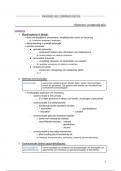
2041:
Terms
#6
Clodius
-
ANS--tribune
in
58
BC;
loyal
to
Caesar
-banished
Cicero
from
Rome
and
removed
Cato
the
Younger
-popularist
policies
during
First
Triumvirate
-murdered
by
supporters
of
Cicero/Pompey/Milo
-shows
instability
of
First
Triumvirate
and
increasing
violence
in
Roman
politics
Conference
at
Luca
-
ANS-•
56
BC;
meeting
of
the
First
Triumvirate
in
order
to
strengthen
the
fragile
relationships
of
the
three
men
and
lay
out
future
plans:
Pompey
and
Crassus
were
to
be
consuls
in
55,
and
divided
the
men's
military
commands
•
Marked
a
brief
period
of
peace
for
the
Triumvirate,
but
their
deteriorating
relations,
eventually
marked
by
the
dissolution
in
53
BC,
would
lead
to
Caesar's
Civil
War
and
takeover
of
Rome
M.
Porcius
Cato
the
Younger
-
ANS-•
tribune
of
the
plebs
in
63
BC
•
Opposed
the
Sullani,
such
as
Crassus,
Pompey
and
Caesar
(violated
constitution
for
personal
gain)
-
He
led
the
traditionalists
who
wanted
strict
adherence
to
constitution:
term
limits,
elections,
etc.
•
Projected
important
Roman
virtues,
like
severitas,
in
a
time
of
Hellenization
and
luxury
•
Although
Cato
was
correct
constitutionally,
the
problems
facing
the
vast
territory
were
so
challenging
that
extraordinary
and
unconstitutional
commands
were
needed
to
deal
with
them
embodied
the
problems
facing
the
Republic
near
its
end
Vercingetorix
-
ANS-•
United
the
Gauls
in
a
revolt
against
Roman
forces
in
52
BC
•
Caesar
neutralized
the
threat,
and
in
his
subsequent
mild
treatment
of
the
conquered,
he
won
over
the
Gauls
as
his
loyal
supports
•
Victory
over
Vercingetorix
solidified
Caesar's
army's
devotion
to
him
and
the
loyal
clientage
of
the
Gauls,
both
of
which
would
be
important
for
Caesar's
success
in
the
Civil
War
B.
of
Carrhae
(53
BC)
-
ANS-•
Decisive
victory
of
the
Parthian
Empire
over
the
Romans
led
by
Crassus
•
Death
of
Crassus
led
to
the
dissolution
of
the
First
Triumvirate
and
the
explosion
of
tension
between
Pompey
and
Caesar
•
Severe
blow
to
Roman
prestige
in
the
East;
Parthia
-
continued
to
be
dangerous
to
Rome
Rubicon
River
-
ANS--marked
boundary
between
Cisalpine
Gaul
(where
Caesar
was
stationed
with
followers)
and
Italy
-when
Caesar
crossed
the
Rubicon
(49
BC),
started
Civil
War
between
Caesar
and
Pompey/Senators;
Caesar
ultimately
won
and
established
himself
as
dictator
for
life
-important
moment
in
Roman
history
-
march
on
Rome,
Civil
War,
dictatorship;
when
crossed
Rubicon,
point
of
no
return
2041:
Terms
#6
Clodius
-
ANS--tribune
in
58
BC;
loyal
to
Caesar
-banished
Cicero
from
Rome
and
removed
Cato
the
Younger
-popularist
policies
during
First
Triumvirate
-murdered
by
supporters
of
Cicero/Pompey/Milo
-shows
instability
of
First
Triumvirate
and
increasing
violence
in
Roman
politics
Conference
at
Luca
-
ANS-•
56
BC;
meeting
of
the
First
Triumvirate
in
order
to
strengthen
the
fragile
relationships
of
the
three
men
and
lay
out
future
plans:
Pompey
and
Crassus
were
to
be
consuls
in
55,
and
divided
the
men's
military
commands
•
Marked
a
brief
period
of
peace
for
the
Triumvirate,
but
their
deteriorating
relations,
eventually
marked
by
the
dissolution
in
53
BC,
would
lead
to
Caesar's
Civil
War
and
takeover
of
Rome
M.
Porcius
Cato
the
Younger
-
ANS-•
tribune
of
the
plebs
in
63
BC
•
Opposed
the
Sullani,
such
as
Crassus,
Pompey
and
Caesar
(violated
constitution
for
personal
gain)
-
He
led
the
traditionalists
who
wanted
strict
adherence
to
constitution:
term
limits,
elections,
etc.
•
Projected
important
Roman
virtues,
like
severitas,
in
a
time
of
Hellenization
and
luxury
•
Although
Cato
was
correct
constitutionally,
the
problems
facing
the
vast
territory
were
so
challenging
that
extraordinary
and
unconstitutional
commands
were
needed
to
deal
with
them
embodied
the
problems
facing
the
Republic
near
its
end
Vercingetorix
-
ANS-•
United
the
Gauls
in
a
revolt
against
Roman
forces
in
52
BC
•
Caesar
neutralized
the
threat,
and
in
his
subsequent
mild
treatment
of
the
conquered,
he
won
over
the
Gauls
as
his
loyal
supports
•
Victory
over
Vercingetorix
solidified
Caesar's
army's
devotion
to
him
and
the
loyal
clientage
of
the
Gauls,
both
of
which
would
be
important
for
Caesar's
success
in
the
Civil
War
B.
of
Carrhae
(53
BC)
-
ANS-•
Decisive
victory
of
the
Parthian
Empire
over
the
Romans
led
by
Crassus
•
Death
of
Crassus
led
to
the
dissolution
of
the
First
Triumvirate
and
the
explosion
of
tension
between
Pompey
and
Caesar
•
Severe
blow
to
Roman
prestige
in
the
East;
Parthia
-
continued
to
be
dangerous
to
Rome
Rubicon
River
-
ANS--marked
boundary
between
Cisalpine
Gaul
(where
Caesar
was
stationed
with
followers)
and
Italy
-when
Caesar
crossed
the
Rubicon
(49
BC),
started
Civil
War
between
Caesar
and
Pompey/Senators;
Caesar
ultimately
won
and
established
himself
as
dictator
for
life
-important
moment
in
Roman
history
-
march
on
Rome,
Civil
War,
dictatorship;
when
crossed
Rubicon,
point
of
no
return