May:
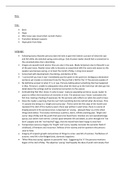
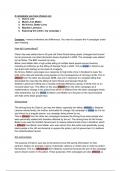
Title:
• Birth
• Hope
• After Jesus was resurrected- second chance
• Transition between seasons
• Hope given from May
Language:
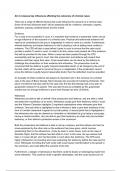
• Following stanza Rossetti persona does her best to give the listener a picture of what she saw
and felt while she watched spring come and go. End of poem reader should feel a connection to
the unnamed place she is describing
• Images are peaceful and serene; they are also in the past. Made temporary due to Rossetti’s use
of the past tense. Reader never able to become as acquainted with the scene and season as the
speaker was because spring, or at least the month of May, is long since passed
• Concerned with development, flourishing, and decline of life.
• ‘I cannot tell you how it was’ immediately put the poem in the past test. Ambiguous declarative
sentence yet creates a reminiscent tone for the joy that is felt for the ‘it’ the persona speaks of
• No definitive answer to what ‘it’ is or was. Persona talking about something that has happened
in May. Persona is unable to adequately relay what the lead up to the event but she does go into
detail about the settings and her emotional connection to the season.
• Contradicting ‘But this I know: it came to pass’. Caesura separating sentence causes reader to
pause to reflect the transience of moments in time. The abstract noun ‘know’ contradicts the
first line creating a feeling of awareness for the persona who reflects on what she used to have.
• Gives the reader a warning, that she can’t tell everything but she will tell what she knows. First,
‘it’ passed into being on a ‘bright and sunny day’. Therse were the first days of the month and
represent the start of the mystery event, Piece was written in past tense, there is a sense of
longing present in the persona tones. Longs back on ‘young... pleasant May’ as a time when
things were better. First stanza reminisces a perfect, warm, infinite seeming past. ‘Bright and
sunny’ days of May and the youth that was to be found here. Emotion are not overwhelmingly
joyous, but rather more serene. Liminal space between life and death, as seen through the ‘not
born’ poppies and the ‘not hatched’ eggs, that she would have been happy to stay here
• Temperature sensory imagery for ‘bright’ and ‘sunny’ equally connotes the semantic field of
childhood, of freedom and innocence. Reflects of the naivety and the optimism the persona
used to have.
• Imagery of incipient growth and promise of things to come- warmth of summer, fruitfulness of
autumn, new life in the fledged birds, domestic happiness
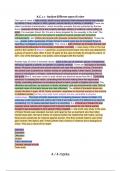
• ‘When May was young’ appears to personify ‘may’. Suggesting the ‘it’ the persona mentions
began at the start of May. The adjective ‘young’ itself equally the idea of youth and naivety that
, the persona withheld. Yet this is followed by the colloquialism ‘ah’ suggesting not only a sense
of relief and wonder at this previous ideal. Suggests the loss of something. However, the
abstract noun ‘pleasant’ highlight the persona adoration for this period of time. Liminality that
occurs from the month of May in the idea of hope. Melancholic undertones in the idea of
reflection to a pleasant previous time that occurred for them.
• ‘young’ days of May are gone and so too are the images of warmth
• Persona outlines what the setting was like as well as what plants and animals were to be seen.
Description emphasises the fact that the world is no longer as it was. Recalls the days when the
‘poppies were not born’. Did not appear in-between the ‘blades of tender’ or young ‘corn’.
Poppies, as well as the eggs mentioned are symbols of the season. Represent birth of new life in
spring and inherently, the loss of that life as the season changes
• ‘Poppies were not born’ perhaps creates an idea of hope for the birth of something new
potentially in the future. For the contemporary read the symbol of ‘poppies’ was a consolation
of loss. This theme perhaps creates a melancholier idea in the suggestions that they will not be
born due to the end of ‘it’
• ‘Blades of tender corn’. While the metaphor of common noun ‘blades’ becomes ambiguous.
Creates a fine focus with which the persona is viewing the natural world, as if with a whole new
light. Yet, this is ambiguous for industrialised machinery suggesting the destruction of ‘it’.
Becomes oxymoronic next to the adjective ‘tender’ suggesting the vulnerability of the
environment equating it to the fragile nature of human relationships and the global chain of
being
• ‘Last egg was not hatched as yet’. The time phrase lexical statement ‘last’ creates an idea of
waiting and hesitancy. Leaves the reader in suspense as to whether the egg hatched. Equally
could become ambiguous for affairs, with the dynamic verb ‘hatched’ suggesting that the hope
that could have been had for a relationship failed to go further than May. ‘As yet’ suggests
apprehension for the pending nature for it to take off. However, in hindsight the reader creates
awareness that this was not the case.
• Poem concludes with the speaker reiterating her opening statement. Reminds the reader that
there is something going on, or something that went on in her life she can’t discuss. Lines nine
and ten are almost identical to lines one and two. This time the speaker states that she cannot
tell ‘you what it was’ rather than ‘how it was’. Doesn't have access to, or the ability to relay the
emotions around the event or event itself.
• ‘I cannot tell you what it was’ alternates from the opening stanza line. Suggests that there was
definite something that broke it apart.
• Persona represents in the simile ‘like all sweet things it passed away’. Perhaps becomes a
euphemism for a literal or figurative death that was witnessed by the persona. The adjective
‘sweet’ perhaps becomes a metaphor for life: we born, we live, we die. Importance of
appreciating what we have due to the transitive nature of a moment
• ‘Old, and cold, and gray.’ becomes an antithesis of the temperatures from the first stanza of the
poem. Loss of warmth for the persona. While the adjective ‘old’ creates the idea that something
has passed away perhaps linking to the fact that Christina Rossetti remained single throughout
her life and never experienced a long-term relationship. Reflects human grief the feeling of loss
as a semantic field throughout the poem.
Title:
• Birth
• Hope
• After Jesus was resurrected- second chance
• Transition between seasons
• Hope given from May
Language:
• Following stanza Rossetti persona does her best to give the listener a picture of what she saw
and felt while she watched spring come and go. End of poem reader should feel a connection to
the unnamed place she is describing
• Images are peaceful and serene; they are also in the past. Made temporary due to Rossetti’s use
of the past tense. Reader never able to become as acquainted with the scene and season as the
speaker was because spring, or at least the month of May, is long since passed
• Concerned with development, flourishing, and decline of life.
• ‘I cannot tell you how it was’ immediately put the poem in the past test. Ambiguous declarative
sentence yet creates a reminiscent tone for the joy that is felt for the ‘it’ the persona speaks of
• No definitive answer to what ‘it’ is or was. Persona talking about something that has happened
in May. Persona is unable to adequately relay what the lead up to the event but she does go into
detail about the settings and her emotional connection to the season.
• Contradicting ‘But this I know: it came to pass’. Caesura separating sentence causes reader to
pause to reflect the transience of moments in time. The abstract noun ‘know’ contradicts the
first line creating a feeling of awareness for the persona who reflects on what she used to have.
• Gives the reader a warning, that she can’t tell everything but she will tell what she knows. First,
‘it’ passed into being on a ‘bright and sunny day’. Therse were the first days of the month and
represent the start of the mystery event, Piece was written in past tense, there is a sense of
longing present in the persona tones. Longs back on ‘young... pleasant May’ as a time when
things were better. First stanza reminisces a perfect, warm, infinite seeming past. ‘Bright and
sunny’ days of May and the youth that was to be found here. Emotion are not overwhelmingly
joyous, but rather more serene. Liminal space between life and death, as seen through the ‘not
born’ poppies and the ‘not hatched’ eggs, that she would have been happy to stay here
• Temperature sensory imagery for ‘bright’ and ‘sunny’ equally connotes the semantic field of
childhood, of freedom and innocence. Reflects of the naivety and the optimism the persona
used to have.
• Imagery of incipient growth and promise of things to come- warmth of summer, fruitfulness of
autumn, new life in the fledged birds, domestic happiness
• ‘When May was young’ appears to personify ‘may’. Suggesting the ‘it’ the persona mentions
began at the start of May. The adjective ‘young’ itself equally the idea of youth and naivety that
, the persona withheld. Yet this is followed by the colloquialism ‘ah’ suggesting not only a sense
of relief and wonder at this previous ideal. Suggests the loss of something. However, the
abstract noun ‘pleasant’ highlight the persona adoration for this period of time. Liminality that
occurs from the month of May in the idea of hope. Melancholic undertones in the idea of
reflection to a pleasant previous time that occurred for them.
• ‘young’ days of May are gone and so too are the images of warmth
• Persona outlines what the setting was like as well as what plants and animals were to be seen.
Description emphasises the fact that the world is no longer as it was. Recalls the days when the
‘poppies were not born’. Did not appear in-between the ‘blades of tender’ or young ‘corn’.
Poppies, as well as the eggs mentioned are symbols of the season. Represent birth of new life in
spring and inherently, the loss of that life as the season changes
• ‘Poppies were not born’ perhaps creates an idea of hope for the birth of something new
potentially in the future. For the contemporary read the symbol of ‘poppies’ was a consolation
of loss. This theme perhaps creates a melancholier idea in the suggestions that they will not be
born due to the end of ‘it’
• ‘Blades of tender corn’. While the metaphor of common noun ‘blades’ becomes ambiguous.
Creates a fine focus with which the persona is viewing the natural world, as if with a whole new
light. Yet, this is ambiguous for industrialised machinery suggesting the destruction of ‘it’.
Becomes oxymoronic next to the adjective ‘tender’ suggesting the vulnerability of the
environment equating it to the fragile nature of human relationships and the global chain of
being
• ‘Last egg was not hatched as yet’. The time phrase lexical statement ‘last’ creates an idea of
waiting and hesitancy. Leaves the reader in suspense as to whether the egg hatched. Equally
could become ambiguous for affairs, with the dynamic verb ‘hatched’ suggesting that the hope
that could have been had for a relationship failed to go further than May. ‘As yet’ suggests
apprehension for the pending nature for it to take off. However, in hindsight the reader creates
awareness that this was not the case.
• Poem concludes with the speaker reiterating her opening statement. Reminds the reader that
there is something going on, or something that went on in her life she can’t discuss. Lines nine
and ten are almost identical to lines one and two. This time the speaker states that she cannot
tell ‘you what it was’ rather than ‘how it was’. Doesn't have access to, or the ability to relay the
emotions around the event or event itself.
• ‘I cannot tell you what it was’ alternates from the opening stanza line. Suggests that there was
definite something that broke it apart.
• Persona represents in the simile ‘like all sweet things it passed away’. Perhaps becomes a
euphemism for a literal or figurative death that was witnessed by the persona. The adjective
‘sweet’ perhaps becomes a metaphor for life: we born, we live, we die. Importance of
appreciating what we have due to the transitive nature of a moment
• ‘Old, and cold, and gray.’ becomes an antithesis of the temperatures from the first stanza of the
poem. Loss of warmth for the persona. While the adjective ‘old’ creates the idea that something
has passed away perhaps linking to the fact that Christina Rossetti remained single throughout
her life and never experienced a long-term relationship. Reflects human grief the feeling of loss
as a semantic field throughout the poem.