Contents
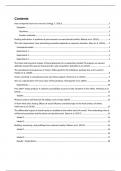
How companies learn your secrets. Duhigg, C. (2012).................................................................................3
Examples...................................................................................................................................................3
Clockwise..............................................................................................................................................3
Counter clockwise.................................................................................................................................3
Dueling with desire: a synthesis of past research on want/should conflict. Bitterly et al. (2014).................4
Thin slice impressions: how advertising evaluation depends on exposure duration. Elsen et al. (2016)......5
Conceptual model....................................................................................................................................5
Experiment 1............................................................................................................................................5
Experiment 2............................................................................................................................................5
Experiment 3............................................................................................................................................5
The short-and long-term impact of brand placement in an advertiser-funded TV program on viewers'
attitudes toward the sponsor brand and its main competitor. Verhellen et al. (2016).................................6
The paradoxical consequences of choice: Often good for the individual, perhaps less so for society?
Madan et al. (2020)......................................................................................................................................8
Choice overload: A conceptual review and meta-analysis. Chernev et al. (2015).........................................9
Zero as a special price: The true value of free products. Shampanier et al. (2007)....................................10
Experiments............................................................................................................................................10
Free offer≠ cheap product: A selective accessibility account on the valuation of free offers. Palmeira et al.
(2013).........................................................................................................................................................11
Studies....................................................................................................................................................11
Physical contact and financial risk taking. Levav & Argo (2010)..................................................................12
I’ll have what she’s having: Effects of social influence and body type on the food choices of others.
McFerran et al. (2010)................................................................................................................................13
The differential impact of brand loyalty on traditional and online word of mouth: The moderating roles of
self-brand connection and the desire to help the brand. Eelen et al. (2017)..............................................14
Model 1..................................................................................................................................................14
Model 2..................................................................................................................................................15
Building, measuring, and profiting from customer loyalty. Watson et al. (2015)........................................16
Model 1..................................................................................................................................................16
................................................................................................................................................................16
Model 2..................................................................................................................................................17
Results / implications..............................................................................................................................18
,How the intention to share can undermine enjoyment: Photo-taking goals and evaluation of experiences.
Barasch et al. (2018)...................................................................................................................................19
, How companies learn your secrets. Duhigg, C. (2012)
The habit loop, consists of three key components:
Cue: A trigger that tells the brain to go into automatic mode and which habit to use.
Routine: The behavior itself, which can be physical, mental, or emotional.
Reward: The benefit received from the behavior, which helps the brain determine if this loop is
worth remembering for the future.
Examples
Clockwise
Cue to routine: You hear an email notification sound (cue), which triggers you to check your inbox
(routine).
Routine to reward: You check your inbox (routine) and find a satisfying message or important
information (reward).
Reward to cue: The satisfaction of finding an important message (reward) creates an anticipation
or craving for the notification sound (cue), reinforcing your attention to future cues.
Counter clockwise
Reward to routine: After experiencing the satisfaction of finding an important email (reward), you
are motivated to continue checking your inbox regularly (routine).
Routine to cue: As checking your inbox becomes a habit (routine), you become more sensitive to
the sound of the email notification (cue), making it easier for the notification to trigger the
behavior next time.
Cue to reward: The sound of the email notification (cue) directly leads to the satisfaction or relief
of finding a message (reward), reinforcing the habit loop.
How companies learn your secrets. Duhigg, C. (2012).................................................................................3
Examples...................................................................................................................................................3
Clockwise..............................................................................................................................................3
Counter clockwise.................................................................................................................................3
Dueling with desire: a synthesis of past research on want/should conflict. Bitterly et al. (2014).................4
Thin slice impressions: how advertising evaluation depends on exposure duration. Elsen et al. (2016)......5
Conceptual model....................................................................................................................................5
Experiment 1............................................................................................................................................5
Experiment 2............................................................................................................................................5
Experiment 3............................................................................................................................................5
The short-and long-term impact of brand placement in an advertiser-funded TV program on viewers'
attitudes toward the sponsor brand and its main competitor. Verhellen et al. (2016).................................6
The paradoxical consequences of choice: Often good for the individual, perhaps less so for society?
Madan et al. (2020)......................................................................................................................................8
Choice overload: A conceptual review and meta-analysis. Chernev et al. (2015).........................................9
Zero as a special price: The true value of free products. Shampanier et al. (2007)....................................10
Experiments............................................................................................................................................10
Free offer≠ cheap product: A selective accessibility account on the valuation of free offers. Palmeira et al.
(2013).........................................................................................................................................................11
Studies....................................................................................................................................................11
Physical contact and financial risk taking. Levav & Argo (2010)..................................................................12
I’ll have what she’s having: Effects of social influence and body type on the food choices of others.
McFerran et al. (2010)................................................................................................................................13
The differential impact of brand loyalty on traditional and online word of mouth: The moderating roles of
self-brand connection and the desire to help the brand. Eelen et al. (2017)..............................................14
Model 1..................................................................................................................................................14
Model 2..................................................................................................................................................15
Building, measuring, and profiting from customer loyalty. Watson et al. (2015)........................................16
Model 1..................................................................................................................................................16
................................................................................................................................................................16
Model 2..................................................................................................................................................17
Results / implications..............................................................................................................................18
,How the intention to share can undermine enjoyment: Photo-taking goals and evaluation of experiences.
Barasch et al. (2018)...................................................................................................................................19
, How companies learn your secrets. Duhigg, C. (2012)
The habit loop, consists of three key components:
Cue: A trigger that tells the brain to go into automatic mode and which habit to use.
Routine: The behavior itself, which can be physical, mental, or emotional.
Reward: The benefit received from the behavior, which helps the brain determine if this loop is
worth remembering for the future.
Examples
Clockwise
Cue to routine: You hear an email notification sound (cue), which triggers you to check your inbox
(routine).
Routine to reward: You check your inbox (routine) and find a satisfying message or important
information (reward).
Reward to cue: The satisfaction of finding an important message (reward) creates an anticipation
or craving for the notification sound (cue), reinforcing your attention to future cues.
Counter clockwise
Reward to routine: After experiencing the satisfaction of finding an important email (reward), you
are motivated to continue checking your inbox regularly (routine).
Routine to cue: As checking your inbox becomes a habit (routine), you become more sensitive to
the sound of the email notification (cue), making it easier for the notification to trigger the
behavior next time.
Cue to reward: The sound of the email notification (cue) directly leads to the satisfaction or relief
of finding a message (reward), reinforcing the habit loop.