NR507 Week 5: Alterations in Endocrine Function - Discussion Part One
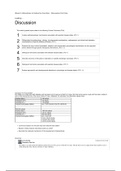
NR507 Week 5: Alterations in Endocrine Function - Discussion Part One Ms. Blake is an older adult with diabetes and has been too ill to get out of bed for 2 days. She has had a severe cough and has been unable to eat or drink during this time. She has a history of Type I diabetes. On admission her laboratory values show: Sodium (Na+) 156 mEq/L Potassium (K+) 4.0 mEq/L Chloride (Cl–) 115 mEq/L Arterial blood gases (ABGs) pH- 7.30; Pco2-40; Po2-70; HCO3-20 Normal values Sodium (Na+) 136-146 mEq/L Potassium (K+) 3.5-5.1 mEq/L Chloride (Cl–) 98-106 mEq/L Arterial blood gases (ABGs) pH- 7.35-7.45 Pco2- 35-45 mmHg Po2-80-100 mmHg HCO3–22-28 mEq/L • List five (5) reasons on why she may have become bed ridden? • Based on these reasons what tests would you order? • Describe the molecular mechanism of the development of ketoacidosis. Week 5: Alterations in Endocrine Function - Discussion Part One Loading... This week's graded topics relate to the following Course Outcomes (COs). 1 Analyze pathophysiologic mechanisms associated with selected disease states. (PO 1) 2 Differentiate the epidemiology, etiology, developmental considerations, pathogenesis, and clinical and laboratory manifestations of specific disease processes. (PO 1) 3 Examine the way in which homeostatic, adaptive, and compensatory physiological mechanisms can be supported and/or altered through specific therapeutic interventions. (PO 1, 7) 4 Distinguish risk factors associated with selected disease states. (PO 1) 5 Describe outcomes of disruptive or alterations in specific physiologic processes. (PO 1) 6 Distinguish risk factors associated with selected disease states. (PO 1) 7 Explore age-specific and developmental alterations in physiologic and disease states. (PO 1, 4) Discussion Discussion Part One (graded) Responses Lorna Durfee 5/29/2016 8:58:33 AM Discussion Part One Ms. Blake is an older adult with diabetes and has been too ill to get out of bed for two days. She has had a severe cough and has been unable to eat or drink during this time. She has a history of Type I diabetes.On admission, her laboratory values show: PATIENT VALUES Sodium (Na+) 156 mEq/L Potassium (K+) 4.0 mEq/L Chloride (Cl–) 115 mEq/L Arterial blood gases (ABGs) pH- 7.30; Pco2-40; Po2-70; HCO3-20 NORMAL VALUES Normal values Sodium (Na+) 136-146 mEq/L Potassium (K+) 3.5-5.1 mEq/L Chloride (Cl–) 98-106 mEq/L Arterial blood gases (ABGs) pH- 7.35-7.45 Pco2- 35-45 mmHg Po2-80-100 mmHg HCO3–22-28 mEq/L • List five (5) reasons on why she may have become bed ridden? • Based on these reasons what tests would you order? • Describe the molecular mechanism of the development of ketoacidosis The patient is an older adult and has been ill for two days. She has a severe cough and not able to eat or drink. She has type I diabetes. Labs: Sodium is 156 mEq/L, normal is: 136-146, Chloride 115 mEq/L, normal is: 98-106, pH 7.30, normal is 7.35-7.45, little low, Po2- 70, is low, normal 80-100, HC03 low at 20, normal 22-28. The patient has: High sodium at 156, high chloride at 115. Low Ph 7.30, Low, Po2 (partial pressure of oxygen) is 70, HC03 (bicarbonate) is 20, low. Doctor Brown and Class: Kishore (2014) explains that diabetic ketoacidosis is a complication of diabetes characterized by hyperglycemia, hyperketonemia, and metabolic acidosis. He also explains that DKA occurs mostly in type 1 diabetes mellitus (DM) patients. When a patient has ketoacidosis, they can exhibit nausea, vomiting, and abdominal pain. It is a very serious condition that can lead to cerebral edema and coma as well as death. The diagnosis of DKA is confirmed with detection of hyperketonemia and anion gap metabolic acidosis with hyperglycemia. Because this patient is ill, it can be one of the stressors that can trigger DKA (Kishore, 2014). McCance, Brashers, Huether and Robert E Jones (2014) tell us that Diabetic ketoacidosis (DKA) is a serious complication of diabetes mellitus. DKA develops as a result of a deficiency of insulin and an increase in the levels of insulin counter-regulatory hormones (McCance et. al., 2014 p. 744). It is most commonly found in patients with type I diabetes but sometimes found in type II diabetes. When a patient has an intercurrent illness or infection, especially a patient with diabetes type I diabetic ketoacidosis can be a serious problem. The authors also relate that when there is an interruption of insulin administration can also result in DKA (McCance, Huether, Brashers, & Rote, 2014, p. 744). When there is insulin deficiency the counter-regulatory hormone concentrations increase. Those hormones are catecholamines, cortisol, glucagon, and GH. These hormones antagonize insulin by increasing glucose production thus decreasing tissue use of glucose. With a deficiency of insulin that is profound, there is a decreased glucose uptake. Also, there is an increased fat metabolism with the release of fatty acids and accelerated gluconeogenesis and ketogenesis. With increased glucagon levels there is a contribution to the activation of the gluconeogenic and ketogenic liver pathways. Because there is insulin deficiency the overproduction of hepatic B-hydroxybutyrate and acetoacetic acids causing increased ketones. Ketones are used by the tissues as sources to regenerate the bicarbonate. When ketones are found they act to balance the loss of bicarbonate. Hyperketonemia may be a result of impairment in the use of ketones by tissues, and this allows organic acids to circulate. If bicarbonate buffering does not occur, the patient develops metabolic acidosis (McCance et al., 2014, p. 745). Diabetic Ketoacidosis results in reduced insulin levels and elevation of counter-regulatory hormones. The hormones are catecholamines, glucagon, cortisol, growth hormone. The effects of hormonal alterations are; acceleration of gluconeogenesis and glycogenolysis and a decrease in glucose utilization by the peripheral tissues that will result in hypoglycemia, and an increase in lipolysis resulting in increased production of free fatty acids, which are converted to ketone bodies in the liver, and this leads to ketonemia. There is also an increase in pro-inflammatory cytokine and procoagulation factor levels (Dynamed, 2016). Westerberg (2013) also informs us that DKA results in insulin deficiency from insulin noncompliance, and increased insulin need because of infection. The deficiency stimulates the elevation of counterregulatory hormones (Westerberg, 2013, p. 337). When there is no ability to use glucose the body needs another source of energy. Lipase activity will increase and causes a breakdown of adipose tissue that frees fatty acids. The breakdown of adipose tissue and the free fatty acids convert the acetyl coenzyme A for energy production. The remainder is broken down into ketones. The body uses ketones for energy. However, they accumulate rapidly. Glycogen and proteins are catabolized and form glucose. With the production of glucose, there is a promotion in hyperglycemia and leads to an osmotic diuresis that results in dehydration, metabolic acidosis and hyperosmolar state (Westerberg, 2013, p. 338). There are at least (5) five reasons for the patient being bedridden. Because the patient has an infection and she is diabetic, it can set the stage for DKA and the complications that arise with this condition. As we do not know the medications she requires we do not know if she has medication compliance. Medications can also influence metabolic processes. The patient appears to have a lack of appetite and is not drinking or eating and can be dehydrated. She also has become weak because she is not eating or drinking. Again, we are not certain what insulin she may be requiring, and perhaps she has not taken her insulin correctly. Her mental status may become impaired due to dehydration. Because of her illness, she also may have lethargy. She may have problems with breathing, and she could have pneumonia. The tests that need to obtained are outlined by Kishore (2014). The author informs us of the need to evaluate her serum glucose. Additional tests to order would be serum electrolytes, BUN, and creatinine, glucose, ketones, osmolarity. She needs a urine test for ketones. If the ketones are positive then ABG measurement. With DKA there is an arterial pH 7.30 with anion gap 12, and serum ketones in the presence of hyperglycemia. If urine glucose and ketones are positive we can presume, she had DKA. With her present illness, she also needs appropriate studies (cultures, imaging) (Kishore, 2014). She will need a chest x-ray for her coughing to rule out pneumonia or other pathology. She should have an ECG to screen for acute MI and determine abnormalities in serum K. We should measure phosphate and magnesium, liver enzymes, CBC with differential, HbA1c (Dynamed, 2016). Further investigation is urgently needed.References DynaMed [Internet]. Ipswich, MA: EBSCO Information Services. 1995-. Record No. , Diabetic ketoacidosis (DKA) in adults; [updated 2016 May 06]; Available from direct=true&db=dnh&AN=&site=dynamed-live&scope=site. Registration and login required Kishore, P. (2014). Diabetic Ketoacidosis (DKA). In Merck Manual online. Retrieved from Jones, R.E, (2014). Alterations in Hormonal Regulation. In McCance, K. L., Huether, S. E., Brashers, V. L., & Rote, N. S. (Eds.), Pathophysiology: The biologic basis for disease in adults and children (7th ed., pp. 744, 745). St. Louis, MO: Mosby. Westerberg, D. P. (2013). Diabetic ketoacidosis; evaluation and treatment. American Family Physician, 87(5), 337-346. Rechel DelAntar 5/29/2016 10:43:07 PM Differential Diagnoses Hello professor and Class, Differential Diagnoses This is a case of an adult female with a history of Type I diabetes who has been too sick to get out of bed for 2 days. This accompanied by symptoms of severe cough, inability to eat or drink during this time. Admission labs show Sodium (Na+)=156mEq/L, Potassium (K+)=4.0mEq/L, Chloride (Cl-) =115mEq/L. ABG shows pH=7.30, pCO2=40, pO2=70 and HCO3=20. From these initial labs, of elevated Sodium level, low pH and an elevated anion gap (21) the patient appears to have some dehydration and metabolic acidosis. In this case, the patient may be exhibiting signs of diabetic ketoacidosis. DKA is common in type 1 diabetes as this form of diabetes is associated with an absolute lack of insulin production by the islets of Langerhans. In type 2 diabetes, insulin production is present but is insufficient to meet the body's requirements as a result of end-organ insulin resistance. Usually, these amounts of insulin are sufficient to suppress ketogenesis. Diabetic ketoacidosis can occur in response to stress, in the case of this patient having severe cough and can occur in 24 hours (Klocker, A.A., et. al., 2013). As the body mounts a stress response, it releases glucagon, growth hormone and adrenaline, which begins to breakdown muscle, fat, liver cells into glucose and fatty acids into fuel in the absence of insulin. The resulting increase in blood sugar occurs, because insulin is unavailable to transport sugar into cells for future use. As blood sugar levels rise, the kidneys cannot retain the extra sugar, which is dumped into the urine, thereby increasing urination and causing dehydration (American Diabetes Association, 2013). Five reasons why this patient may be bedridden: 1. Dehydration = DKA can causes dehydration due to increase urination. Osmotic diuresis leads to dehydration and a potential hypovolemic state from fluid loss and inadequate fluid intake making the patient weak and bedridden. 2. Hypernatremia = Hyperosmolality is a common result of hypernatremia. Because sodium is largely in the extracellular compartment, increases in the concentration of sodium cause intracellular dehydration and hypervolemia. Sodium has a vital role in the maintenance of Fluid balance and is responsible for plasma osmolarity. The effects of cellular dehydration are seen principally in the CNS, where stretching of shrunken neurons and alteration of membrane potentials from electrolyte flux lead to ineffective functioning and altered mental status (McLafferty, E., Johnstone, C., Hendry, C. and Farley, A., 2014). 3. Presence of severe cough = although she may not have any fever at this time however she may be at the initial stage of having a URI. This severe cough may have caused her to be short of breath and not having enough oxygenation as manifested in her ABG pO2=70. 4. Hypotension = In this case, the patient is dehydrated from DKA with an inadequate fluid intake causing hypovolemia from fluid loss causing weakness and altered consciousness (Klocker, A.A., et. al., 2013). 5. Lactic acidosis = Lactic acidosis is more common in DKA than traditionally appreciated and is associated with change in mental status. The positive correlation of lactate with glucose causes lactic acidosis in DKA may be due to hypoperfusion and also to altered glucose metabolism causing confusion and in some cases being obtunded (Cox. K., et. al., 2012). References: American Diabetes Association. (2013). DKA and Ketones. Retrieved from ?referrer= Cox, K., Cocchi, M.N., Salciccioli, J.D., Carney, E., Howell, M. and Donnino, M.W. (2012). Prevalence and Significance of lactic acidosis in diabetic ketoacidosis. Journal of Critical Care. 27(2). 132-137. Klocker, A.A., Phelan, H., Twigg, S.M. and Craig, M.E. (2013). Blood B-hydroxybutyrate vs. urine acetoacetate testing for the prevention And management of ketoacidosis in Type I diabetis; a systemic review Diabetic Medicine. 30(7). 818-824. McLafferty, E., Johnstone, C., Hendry, C. and Farley, A. (2014). Fluid and Electrolyte Balance. Nursing Standard. 28(29). 42-49. Jennifer Roth reply to Rechel DelAntar 6/1/2016 12:30:58 PM RE: Differential Diagnoses Hi Rechel, Great post! Lab values are imperative to the diagnosis of this patient. Laboratory values should be assessed as indicated by the patient's presentation and history of present illness for an accurate diagnosis. Important lab values to assess when DKA is suspected are: CBC, CMP, ABGs, Jennifer Roth reply to Jennifer Roth 6/1/2016 12:50:02 PM RE: Differential Diagnoses Hi Rechel,Great post! Lab values are imperative to the diagnosis of this patient. Laboratory values should be assessed as indicated by the patient's presentation and history of present illness for an accurate diagnosis. Important lab values to assess when DKA is suspected are: CBC, CMP, ABGs, serum lactic acid, glycosylated hemoglobin, serum amylase, serum lipase, and anion gap (Lenahan & Holloway, 2015). Diagnostic criteria for DKA are based on several lab values including plasma glucose, arterial pH, serum bicarbonate, urine and serum ketones, effective serum osmolality, and anion gap accompanied by mental status (Lenahan & Holloway, 2015). Plasma glucose levels in individuals with DKA are typically greater than 250 mg/dL. Arterial pH can range from 7.25 in mild DKA to less than 7.00 in severe DKA. Urine and serum ketones are present with DKA and serum osmolality is variable but typically less than 320 mOsm/kg. Serum bicarbonate can range from 15 to 18 mEq/L in mild DKA, 10 to 15 mEq/L in moderate DKA, and less than 10 mEq/L in severe DKA. In individuals with DKA, the anion gap, which is a difference of the serum cations sodium and potassium and the serum anions chloride and bicarbonate, can range from greater than 10 mEq/L in mild DKA to greater than 12 mEq/L in moderate to severe DKA (Lenahan & Holloway, 2015). Mental status can range from alert in mild DKA to alert or drowsy in moderate DKA, to stupor or coma in persons with severe DKA (Lenahan & Holloway, 2015). The presence of a plasma glucose level greater than 250 mg/dL, an arterial pH less than 7.3, and the presence of urine and/or serum ketones are considered diagnostic criteria for DKA (Lenahan & Holloway, 2015). Jennifer Roth Reference Lenahan, C.M. & Holloway, B. (2015). Differentiating between DKA and HHS. Journal of Emergency Nursing, 41(3), 201-207. doi: 10.1016/.2014.08.015 Rechel DelAntar reply to Jennifer Roth 6/1/2016 7:05:05 PM RE: Differential Diagnoses Hello Jennifer, I'm glad you found the post informative. In this case, the patient being diabetic. compounded with what seem to be early signs of URI progressed his illness to DKA. DKA can be caused having an uncontrolled hyperglycemic therapy,severe infection or other illness, becoming severely dehydrated, or some combination of these things and may occur in a span of 2 days. With prompt treatment it can be easily corrected, but if left untreated may become induce coma and become life threatening. Diabetic ketoacidosis is distinguished from other diabetic emergencies by the presence of large amounts of ketones in blood and urine, and marked metabolic acidosis. comapred to HONK - Hyperosmolar non-ketotic state which occurs among type II diabetics. Ketoacidosis is not always the result of diabetes. It may also result from starvation which in this case the patient has had a poor intake for what was described as "some time now" (Misra, S. and Oliver, N.S., 2015). This case shows us that one factor alone did not cause ketoacidosis but multiple factors played a role either separately or in conjunction with each other. Reference: Misra, S. and Oliver, N.S. (2015). Utility of ketone measurement in the prevention, diagnosis and management of ketoacidosis. Diabetic Medicine: A Journal of the British Diabetic Association. 32(1), 14-23. Lanre Abawonse 5/30/2016 11:21:52 PM Discussion Part One This patient might be bed ridden because she has A) Diabetic ketoacidosis B) Hypotension C) Renal failure D) Dietary deficiency/ Starvation ketosis E) Fatigue/Generalized weakness In the event that diabetic ketoacidosis is happening the patient might have generalized weakness (Lieu & Goldberg, 2015) resulting in inability to do anything and any of the listed symptoms will be occurring as well. Based on these reasons what tests would you order? In analyzing the patient’s lab results, it is suggested that the patient might be experiencing metabolic acidosis. Chen and Abramowitz (2014) described metabolic acidosis as a common complication of chronic kidney disease, which results in a gain in acids or a loss of bases from the plasma. Chronic metabolic acidosis may have various adverse effects in patients with CKD, including altered skeletal metabolism, insulin resistance, proteinenergy wasting, and accelerated progression of kidney disease. In epidemiologic studies, low serum bicarbonate levels have been associated with high mortality. Therefore, the test that would be ordered is based on the history that we know on the patient and the current assessment. This patient might be in diabetic ketoacidosis as she is unable to eat or drink and possibly has not been able to check her blood sugar. Lieu and Goldberg (2015) stated that diabetic ketoacidosis is a true medical emergency secondary to severe insulin deficiency and characterized by hyperglycemia, ketosis, and metabolic acidosis. This patient’s blood sugar must be check immediately. They also suggest that the patient’s CBC, electrolytes, BUN, creatinine, and A1C help determine history of diabetic control. Anion gap must be checked. This patient has an Anion gap that is above normal: Na – (Cl + Hco3) = 21. Other test will be useful as well to determine the level of this patient severity of illness. Describe the molecular mechanism of the development of ketoacidosis. In ketoacidosis there is continual deficiency and other hormonal influences. Lieu and Goldberg (2015) stated that there is a deficiency of insulin, exacerbated by an increase in counterregulatory hormones (e.g., catecholamines, cortisol, glucagon, and growth hormone) leading to a hyperglycemic crisis, osmotic diuresis, and ketosis. The insulin is unable to get inside the cell membrane as a result and is not able to bind with glucose to create glycolysis and inhibiting pyruvate to form, therefore resulting in no energy for the patient with ketoacidosis. This patient will have a lot of palmitoyl CoA. As explained above, there is no insulin production and there is no inhibition of fatty acid to transport matrix into the mitochondria causing a lot of beta oxidation leading to ketone bodies, which then manifests as acidosis, thus reflecting in anion gap acidosis. The potassium is also increased due to exchange within the cell between protons (up in serum) and potassium (up in cell). The glucose level increases, dehydration (increase in creatine) kicks in, osmotic diuresis follows, and then total body phosphate depletes. Reference. Chen, W., & Abramowitz, M. K. (2014). Metabolic acidosis and the progression of chronic kidney disease. BMC Nephrology, 1555. doi:10.1186/ Lieu, C., & Goldberg, E. (2015). Diabetic Ketoacidosis (DKA) In F. J. Domino (Ed.), The 5-minute clinical consult 2015 [electronic resource].Philadelphia: Wolters Kluwer Health/Lippincott Williams & Wilkins. Jaimie Buckner reply to Lanre Abawonse 6/4/2016 8:24:38 PM RE: Discussion Part One Lanre, Diabetes in general is becoming more common in the United States with DKA being on rog the most serious acute complications (Fusco, Gonzales, & Siu, 2015). DKA is typically characterized by hyperglycemia over 250mg/dL, Bicarbonate level less than 18mEq/L and pH less than 7.30, with ketonemia and ketonuria (Hamdy et. al., 2015). Another test that can be added to the list of tests that you have mentioned is a urinalysis. When the blood glucose levels are too high in the blood it spills over into the urine and is excreted (Hamdy et. al., 2015). A urinalysis can determine if there is glucose and ketones in the urine. Protein can also be found in the urine all leading to diagnosis of DKA. Its amazing how many areas of the body DKA affects. Great post! Reference Fusco, N., Gonzales, J., & Siu, Y. (2015). Evaluation of the treatment of diabetic ketoacidosis in the medical intensive care unit. American Journal Of Health-System Pharmacy, 72S177-S182. doi:10.2146/sp Hamdy, O., Khardori, R., Bessen, H., Brenner, B., Raghavan, V., Rucker, D., Schade, D., Schalch, D., & Schraga, E. (2015). Diabetic ketoacidosis. Medscape. Alice Jeffries 5/31/2016 2:52:50 AM Discussion Part One Dr. Brown and class, Some of the reasons I believe she may have been bedridden include: diabetic ketoacidosis, since she is a type 1 diabetic, metabolic acidosis, diarrhea, anemia, hyperkalemia, dehydration, gastrointestinal tract (GI) track disorder: If a person isn’t able to use the glucose in the blood, the body will break down lipids to use as energy and a byproduct of the lipid metabolism is ketones, which are acidic (McCance, Huether, Brashers, and Rote, 2013). When the ketones are excreted in urine, electrolytes are also lost and a person can become dehydrated and thirsty (McCance et al., 2013). Type one usually starts at a younger age, which means that the patient probably has kidney disease as an older adult. Some experts believe that a decline in kidney function is a normal part of aging for many people, even those who are not diabetic, and more than 35% of the people have chronic kidney disease (CKD) (Drawz, Babineau, and Rahman, 2012). The decreased renal function can lead to fluid and electrolyte imbalance, and the decrease in tubular absorption of phosphorous, decreased excretion of acid in response to the ammonium chloride loading, leading to metabolic acidosis (Drawz et al., 2012). Additionally, elderly with CKD are at higher risk for cardiac complication, which may also be contributing to the inability to get out of bed for two day. The patient may also have a GI tract disorder, which could lead to diarrhea, dehydration, and electrolyte imbalance, which could also cause weakness. Tests I would order include anion gap, H&H, check for ketones, blood glucose level, and abdominal ultrasound for GI track disorder. I would start IV fluids at 0.9% normal saline pending blood glucose levels. Lower plasma bicarbonate and higher anion gap are biomarkers for metabolic acidosis (Mandel, Curhan, Hu, and Taylor, 2012). If a person isn’t able to use the glucose in the blood, the body will break down lipids to use as energy and a byproduct of the lipid metabolism is ketones, which are acidic McCance, Huether, Brashers, and Rote, 2013). When the ketones are excreted in urine, electrolytes are also lost and a person can become dehydrated and thirsty (McCance et al., 2013). Drawz, P. E., Babineau, D. C., & Rahman, M. (2012). Metabolic Complications in Elderly Adults with Chronic Kidney Disease. Journal of the American Geriatrics Society, 60, 310-315. doi:10.1111/j..2011.03818.x Mandel, E. I., Curhan, G. C., Hu, F. B., & Taylor, E. N. (2012). Plasma bicarbonate and risk of type 2 diabetes mellitus. CMAJ: Canadian Medical Association Journal, 184, E719-E725. doi:10.1503/cmaj. McCance, K. L., Huether, S. E., Brashers, V. L., & Rote, N. S. (2013). Pathophysiology: The biologic basis for disease in adults and children (7th ed.). St. Louis, MO: Mosby. Jonathan Bidey 5/31/2016 10:09:02 AM Discussion Part One Dr. Brown and Class, Ms. Blake is presenting with signs and symptoms of diabetic ketoacidosis (DKA). She is hypernatremic, hyperchloremic, and ABG values show metabolic acidosis. Her pH is 7.30 which reflects acidosis. Also, since her co2 is normal, and her HCO3 is low, her acidosis is most likely a metabolic response. These values, mixed with her diagnosis of Type I Diabetes, and symptoms of respiratory distress, loss of appetite, and lethargy suggest DKA. To solidify this diagnosis, the following tests would be ordered: 1. Comprehensive Metabolic Panel (CMP): A CMP would be drawn so that electrolyte disturbances can be confirmed, kidney function can be observed through Creatinine and BUN, and also, a blood glucose level can be obtained. This is necessary to evaluate and correct glucose as well as manage fluid and electrolyte replacement (ADA, 2016). 2. Additional ABGs: Since DKA can result in radical acid/base balances, serial ABGs should be collected to evaluate respiratory and metabolic functions. 3. Urinalysis: Urinalysis must be obtained to evaluate ketones and electrolytes to diagnose (ADA, 2016). 4. CT of the Head: Since the patient is extremely lethargic and has a loss of appetite, possible due to nausea, she may be experiencing cerebral edema, a CT of the head must be performed to evaluate (ADA, 2016).Although Ms. Blake can be diagnosed with DKA through simple lab testing, the clinician must understand how DKA can develop. Without this understanding, the clinician is unable to evaluate for possible systemic complications, as well as develop and appropriate treatment plan. DKA develops when a lack of insulin triggers the negative feedback response to release insulin counterregulatory hormones. These include growth hormone, glucagon, cortisol and catecholamines (McCance & Huether, 2014). These hormones attempt to send a message to, or antagonize, the pancreas to create insulin by encouraging glucose production, as well as limiting the glucose use within the body (McCance & Huether, 2014). Since the diabetic individual is unable to produce the insulin in response to these insulin counterregulatory hormones, the patient has a surge of blood glucose. The body attempts to maintain homeostasis by removing these excess levels of glucose through urination. However, water and electrolytes follow the glucose and are urinated in large volumes (McCance & Huether, 2014). This results in dehydration, which could lead to cerebral edema, electrolyte alterations, and metabolic acidosis (McCance & Huether, 2014). Ms. Blake has been experiencing a life threatening problem without intervention. In DKA, there are several problems which may result in her being bed ridden. These causes include: 1. Dehydration: As the body attempts to remove excess glucose levels, the patient begins to produce excessive amounts of urine. This results in dehydration. With upwards of a 6L daily fluid loss, blood volumes can result in severely low blood pressures (Fusco, Gonzales, & Siu Yan, 2015). This hypotension can lead to an inability for the patient to maintain operations of daily living, as well as remain bed ridden. 2. Hyperglycemia: To counteract a lack of insulin in the body, insulin counterreguklatory hormones are released. This triggers an increase in glucose. In order to generate glucose, the body must go through gluconeogenesis. This is accomplished by the body breaking down stored fat into glucose. Ketones are toxic acids which are generated while the body breaks down these fat reserves (Fusco, Gonzales, & Siu Yan, 2015). Ketones become present in the blood and are then circulated throughout the body. Since the ketone levels are so high, the body is unable to properly circulate oxygenated blood to the organs. This results in weakness, confusion, and lethargy (Fusco, Gonzales , & Siu Yan, 2015). 3. Hypoxia: Hypoxia is a result of the metabolic acidosis the body is experiencing. Because the body is always attempting to self-regulate its acid-base ballence, the body begins to attempt to counteract the excessive acids in the form of ketones. The body becomes acidotic, and attempts to “blow off” additional acid in the form of co2. This results in hyperventilation and Kusmal Breathing. Since the body is experiencing tachypnea, oxygen in take also becomes limited. This results in hypoxia which prevents the body from delivering properly oxygenated blood to the organs. This results in confusion, lethargy, and weakness (Fusco, Gonzales, & Siu Yan, 2015). We can see in Ms. Blake’s case that her ABG reveals a Po2 of 70 which would solidify this factor as a potential contributing cause of her weakness and lethargy. 4. Hypernatremia: As the body expels excess glucose, it also expels water and electrolytes. The result is dehydration, also paired with fluid and electrolyte imbalances. As the body expels fluid, it retains sodium to help maintain a fluid and potassium balance. The result is elevated levels of sodium, or hypernatremia. Hypernatremia can alter neurological function and often result is lethargy and weakness (Fusco, Gonzales, & Siu Yan, 2015). This is consistent with Ms. Blake’s clinical presentation and reported symptoms as her sodium is 156mEq/L, which is indicative of hypernatremia. 5. Cerebral Edema: Cerebral Edema’s occurrence during DKA is not completely known, but is thought to be due to the extreme dehydration, hypocapnia, and acidosis (Fusco, Gonzales, & Siu Yan, 2015). It is thought that the decrease in oxygenated blood can result in inflammation, and raised intracranial pressure. This results in confusion, lethargy, weakness, coma, and death (Fusco, Gonzales, & Siu Yan, 2015). -Jonathan References: American Diabetes Association. (2016). Diabetic ketoacidosis and ketones. Retrieved from ADA website: complications/ Fusco, N., Gonzales, J., & Siu Yan, A. Y. (2015). Evaluation of the treatment of diabetic ketoacidosis in the medical intensive care unit. American Journal of Health-System Pharmacy, 72, 177-182. McCance, K. L., & Huether, S. E. (2014). Pathophysiology: The biologic basis for disease in adults and children (7th ed.). St. Louis, MO: Elsevier-Mosby. Lorna Durfee reply to Jonathan Bidey 6/2/2016 8:57:34 AM RE: Discussion Part One Jonathan: Enjoyed your post. I wanted to share with you some information I found regarding children and diabetes. Kitabchi, Hirsch and Emmett (2016) provide us with the two most serious acute diabetes complications. Diabetic ketoacidosis (DKA) and hyperosmolar hyperglycemic nonketotic state (HHNK). Diabetes ketoacidosis has ketoacidosis and hyperglycemia as components of the disorder while HHS usually has more severe hyperglycemia but no ketoacidosis (Kitabchi, Hirsch, & Emmett, 2016). Although our focus has been on an adult, there must also be consideration of diabetic ketoacidosis in children. As nurse practitioners who work in family practice, we are involved in the care of children. It is important to at least have some idea of the clinical features and diagnosis as we care for pediatric populations. Jeha and Haymond (2016) tell us that diabetic ketoacidosis is a major cause of morbidity and mortality in children with type 1 diabetes mellitus. It can be seen in children with type 2 diabetes mellitus as well. The cause of DKA is by absolute insulin deficiency or relative insulin deficiency. There is limited experience with a diagnosis of DKA in children, but the same principles will apply (Jeha & Haymond, 2016). Type 1 diabetes mellitus is a chronic disease that is found in children. The cause of this disorder is the destruction of insulin-producing pancreatic beta cells. There are challenges for providing care to children with diabetes compared to that of an adult. The size of the patients, the inability to predict children’s food intake and activity level and the inability to explain symptoms of hypoglycemia are part of the problem. Management of this disorder in children must take into consideration the age and maturity of the child (Levitsky & Misra, 2016). The types of diabetes mellitus (DM) in children are similar to adults however psychosocial problems are different and can complicate the treatment. It is interesting to note that type 1 DM is the most common type of diabetes that accounts for two-thirds of new cases in all ethnic groups. It is also important to note that the incidence is increasing. Also, once rare before in children, type 2, has been increasing parallel to the increase of childhood obesity. (Calabria, 2016). The takeaway from this article is that type 1 DM is increasing and can occur anytime. Most children with type 1 DM require insulin, and glycemic control helps prevent long-term problems, but it increases the risk of hypoglycemia. Psychosocial problems can lead to poor control because of lack of adherence to diet and medications. Insulin must be adjusted based on carbohydrate and activity. There can be microvascular and macrovascular complications of DM that must be controlled and managed with screening tests. DKA can occur in children with type 2 DM (Calabria, 2014). ReferencesCalabria, A. (2014). Diabetes in Children and Adolescents - Pediatrics - In Merck Manual online. Retrieved from Jeha, G. S., & Haymond, M. W. (2016). In T. W. Post (Ed.), UpToDate.Clinical features and diagnosis of diabetic ketoacidosis in children. Retrieved from Kitabchi, A. E., Hirsch, I. B., & Emmett, M. (2014). In T. W. Post (Ed.), UpToDate. Diabetic ketoacidosis and hyperosmolar hyperglycemic state in adults: Clinical features, evaluation, and diagnosis. Retrieved from Levitsky, L. L., & Misra, M. (2016). In T. W. Post (Ed.), UpToDate Management of type 1 diabetes mellitus in children and adolescents. Retrieved from Brooke Lobianco 5/31/2016 1:50:20 PM Ms. Blake Patient: Ms. Blake – elderly female Chief Complaint: Severe cough, unable to eat or drink, bedridden x 2 days Medical History Medications Allergies Surgical History Social History -Diabetes Type 1 -N/A -N/A -N/A -N/A Vitals: N/A Lab Results: Sodium: 156, Potassium: 4.0, Chloride: 115, ABG: pH- 7.30, Pco2- 40, Po2- 70, HC03- 20 Ms. Blake may be bedridden due to the following processes: 1. Diabetic Ketoacidosis Diabetic ketoacidosis (DKA) is the most common acute hyperglycemic reaction in diabetic patients, with a prevalence of 8 per 1,000 persons annually (Qari, 2015). DKA results from the failure of the body to utilize glucose as fuel, due to the lack of or complete depletion of insulin in an individual with type 1 diabetes (NIH, 2015). To compensate for this lack of insulin, fat is broken down for fuel, resulting in an accumulation of ketones in the blood and urine, which are poisonous in high levels (NIH, 2015). DKA may be triggered via infection, injury, a serious illness, missing insulin doses, or surgery in a person with type 1diabetes (NIH, 2015). However, infection and reduced medication compliance are the primary causes (Qari, 2015). Diabetic patients are at heightened risk for infection as a consequence of a hyperglycemic environment that favors immune dysfunction (Casquiero, Casquiero, and Alves, 2012). Symptoms of immune dysfunction arise as the result of damaged neutrophil function, the depression of the antioxidant system, and deficient humoral immunity (Casquiero et al., 2012). A functionally normal complement system (key in humoral immunity) consists of serum and surface proteins that promote optimization and phagocytosis of microorganisms through microphages and neutrophils and lysis, all of which is compromised via the reduction in C4 component, which reduces the cytokine response (Casquiero et al., 2012). Increased glycation in diabetic patients may inhibit the production of IL-10 by myeloid cells, as well as interferon gamma (IFN-y) and tumor necrosis factor (TNF) by T-cells (Casquiero et al., 2012). Glycation also reduces the expression of calss I major histocompatibility complex (MHC) o the surface of myeloid cells, thus impairing cell immunity (Casquiero et al., 2012). A reduction in the mobilization of ploymorphonuclear leukocytes, chemotaxis, and phagocytic activity during a hyperglycemic state also contributes to the diabetic patient’s susceptibility to infection, and thusly, DKA (Casquiero et al., 2012). A hyperglycemic environment blocks antimicrobial function by inhibition of glucose-6-phosphate dehydrogenase (G6PD) (Casquiero et al., 2012). The inhibition of G6PD enhances apoptosis of polymorphonuclear leukocyte transmigration through the endothelium (Casquiero et al., 2012). Also noteworthy, is the reduction in the regeneration of molecules that play a key role in antioxidant mechanisms of the cell, which increases the host’s susceptibility to oxidative stress (Casquiero et al., 2012). Some symptoms of DKA consist of decreased alertness, deep, rapid breathing, frequent thirst and urination, fruity-smelling breath, headache, muscle stiffness and achiness, and nausea and vomiting (NIH, 2015). It is possible that with Ms. Blake’s history of Type1 Diabetes she is in DKA and experiencing associated symptoms. Ms. Blake may be experiencing decreased alertness and lethargy. Sensorium changes in DKA patients are not well-understood, but are thought to result as a combination of compromised cerebral blood flow, reduced cerebral glucose utilization, heightened blood glucose levels, and acidosis (Qari, 2015). Ms. Blake may also be experiencing muscle stiffness and achiness (NIH, 2015) that is preventing her from getting out of bed. Diagnosis can be confirmed by the results of a plasma glucose 250 mg/dL, an arterial PH of 7.30 or below, and the presence of ketones in the urine (Qari, 2015). Therefore, in addition to the ABG’s and CMP that were already provided, the provider would order a urine sample to confirm the presence of ketones as well as glucose. Additionally, a serum glucose is imperative to have for comparisons when guiding treatment. 2. Metabolic Acidosis Metabolic acidosis occurs when the body produces too much acid and the kidneys are unable to remove it from the body (NIH, 2013). The bodies buffer systems compensate for the excess acid. Hydrogen ions will move to the intracellular space, and potassium will move to the extracellular space to maintain ionic balance. Buffering by bicarbonate lowers the serum value of hydrogen ions and increases the pH. The respiratory system compensates for metabolic acidosis as the reduced pH stimulates hyperventilation, lowering the PaC02 and the amount of H2C03 circulating in the blood (McCance, Huether, Brashers & Rote, 2013). Taking Ms. Blake’s history of type 1 diabetes into consideration along with the fact that she has not eaten or drank anything in two days my indicate that she is in metabolic acidosis secondary to ketoacidosis. Ms. Blake’s anion gap of 25 mEq/L, which was calculated by [Na+ (156) + K+ (4)] – [HC03- (20) + Cl- (115)], further confirms that diabetic ketoacidosis is likely (Locke-Jeffery, 2015). Metabolic acidosis is manifested by changes in the neurologic, respiratory, gastrointestinal, and cardiovascular systems. Lethargy, an earlier manifestation of metabolic acidosis, may be the cause of Ms. Blake’s inability to get out of bed (McCance et al., 2013). 3. Hypernatremia Hypernatremia, or a high sodium level, is typically characterized by serum sodium levels of 145 mEq/L (Gunduz et al., 2015). Hypernatremia is common in older adults, even with normal fluid balance, who endure some type of stress (Gunduz et al., 2015). The result of hypernatremia is dehydration, which is accompanied by dangerous repercussions (Gunduz et al., 2015). Sodium regulates osmotic forces, and thus, water balance (McCance & Huether, 2014). Additionally, sodium is a key player in the maintenance of neuromuscular irritability for the conduction of nerve impulses, regulation of acid-base balance, and the transportation of substances across the cellular membrane (McCance & Huether, 2014). Common symptoms of hypernatremia consist of muscle weakness, confusion, intracellular dehydration, and coma (McCance & Huether, 2015). It is possible that Ms. Blake is dehydrated after not eating or drinking for two days, resulting in hypernatremia. The symptoms of hypernatremia may be making it increasingly difficult for Ms. Blake to get out of bed, or tolerate oral intake. 4. Rhabdomyolysis Rhabdomyolysis is the rapid breakdown of muscle tissue that causes the release of intracellular contents, including protein pigment myoglobin, into the extracellular space and blood stream. Rhabdomyolysis has many causes and can result in serious complications. Prolonged immobility is the most common cause of rhabdomyolysis (De Wolff, 2012). Ms. Blake may be suffering from rhabdomyolysis due to her bedridden, metabolic acidotic state. Rhabdomyolysis from metabolic acidosis is caused by the liberation of intracellular phosphorus and sulfate (McCance et al., 2013). The definitive diagnosis is made by laboratory tests including serum creatine kinase (CK) level and urine myoglobin (Keltz, Khan & Mann, 2013). Clinical manifestations of rhabdomyolysis include muscle pain, weakness, and dark urine.5. Aspiration Pneumonia Pneumonia is an infection of the lower respiratory tract caused by bacteria, viruses, fungi, protozoa, or parasites (McCance, Huether, Brashers, & Rote, 2013). Pneumonia can be categorized as community- acquired, healthcare-associated, hospital-acquired or ventilator associated. Aspiration of oropharyngeal secretions is the most way pneumonia is acquired (Waybright, Coolidge & Johnson, 2013). Ms. Blake has been bedridden for a few days and now has a severe cough, which could be indicative of aspiration pneumonia. The body has multiple mechanisms of defense prior to the pathogen actually reaching the lung. Cough relflex and mucociliary clearance would be the first-line of defense. The next line of defense would be the epithelial cells located in the airway. These cells have the ability to recognize some pathogens directly. Then come the alveolar macrophages, which are present in the lower respiratory tract. The macrophages present infectious antigens activating T cells and B cells. Neutrophils are critical phagocytes that kill microbes (McCance et al., 2013). References Casquiero, J., Casquiero, J., & Alves, C. (2012). Infections in patients with diabetes mellitus: A review of pathogenesis. Indian Journal Of Endocrinology & Metabolism, 16(1), 27- 36. De Wolff, J. F. (2012). Rhabdomyolysis. British Journal Of Hospital Medicine (London, England: 2005), 73(2), C30-C32. Gunduz, E., Zengin, Y., Icer, M., Durgun, R., Gunduzalp, A., &…Gulogly, C. (2015). Assessment of adult patients with hypernatremia: A single center experience. Dicle Medical Journal, 42(3), 310-314. Keltz, E., Khan, F. Y., & Mann, G. (2013). Rhabdomyolysis. The role of diagnostic and prognostic factors. Muscles, Ligaments & Tendons Journal (MLTJ), 3(4), 303-312. Locke-Jeffery, U. (2015). The anion gap. Companion Animal, 20(3), 177. doi:10.12968/coan.2015.20.3.177 McCance, K. L., Huether, S. E., Brashers, V. L., & Rote, N. S. (2013). Pathophysiology: The biologic basis for disease in adults and children (7th ed.). St. Louis, MO: Mosby. National Institute of Health. (2015). Diabetic Ketoacidosis. Accessed: . Qazi, F. (2015). Clinical characteristics of patients with diabetic ketoacidosis at the intensive care unit of a university hospital. Pakistan Journal Of Medical Sciences, 31(6), 1463- 1466. Waybright, R. A., Coolidge, W., & Johnson, T. J. (2013). Treatment of clinical aspiration: A reappraisal. American Journal Of Health-System Pharmacy, 70(15), p. doi:10.2146/ajhp Jennifer Roth 5/31/2016 2:18:15 PM Part 1 Hello Dr. Brown and Classmates, Hypoglycemia/Hyperinsulinemia. Individuals with type 1 diabetes, autoimmune destruction of pancreatic B-cells leads to an absolute need for insulin replacement therapy. There are three major defects in the homeostatic response which contribute to the high frequency of hypoglycemic episodes in type 1 diabetics. First is the loss of B-cell insulin secretion and the need for insulin therapy, which means that hypoglycemia is more likely to develop because of unregulated and sustained hyperinsulinemia (American Diabetes Association, 2016). Second, within 5 years of disease diagnosis, almost all individuals with type 1 diabetes fail to generate an adequate glucagon response to hypoglycemia (American Diabetes Association, 2016). Reduced or absent glucagon release results in impairment of glucose recovery from hypoglycemia. Third, is a reduced autonomic response. Hypoglycemia normally leads to activation of the autonomic nervous system resulting in increased hepatic glucose production and reduced glucose uptake in peripheral tissues (American Diabetes Association, 2016). Over an extended period of time, the reduced autonomic response becomes more apparent and the compensatory response to hypoglycemia is decreased. Symptoms of hypoglycemia related to the patient include weakness, fatigue, dizziness, sleepiness, headaches, or lack of coordination (American Diabetes Association, 2016). Infection. Diabetes increases susceptibility to various types of infections. The most common sites of infection in diabetic patients are the skin and urinary tract. Diabetes can slow down the body's ability to fight infection. The high sugar levels in your blood and tissues allow bacteria to grow and help infections develop more quickly. “Impaired polymorph function, chemotaxis and killer activities have been found to be responsible for infections in diabetes” (Poovazhagi, Thangavelu, Umadevi, Suresh, & Kasturi, 2011, p. 14). Infections typically induce a fever, inflammation, fatigue, and malaise which could cause the individual to be bed ridden. Dehydration/Hypovolemia. Individuals with diabetes have an increased risk of dehydration as high blood glucose levels lead to decreased hydration in the body. If the blood glucose levels are higher than they should be for prolonged periods of time, the kidneys will attempt to remove some of the excess glucose from the blood via excretion through the urine. While the kidneys are filtering the blood, water will also be removed and will need replenishing (Wesche, Deen, & Knoers, 2013). This is why individuals tend to have increased thirst when blood glucose levels run too high. If there is no access to water to drink, then the body will find it difficult to pass glucose out of the blood via urine and can result in further dehydration as the body seeks to find water from the cells (Wesche, Deen, & Knoers, 2013). This will cause weakness, fatigue, and malaise. Metabolic acidosis Metabolic acidosis is characterized by a lower pH and decreased HCO3, causing the blood to be too acidic for proper metabolic/kidney function. The patient has lab values consistent with metabolic acidosis. Causes include diabetes, shock, and renal failure (Giorda, Manicardi, & Diago Cabezudo, 2011). There are multiple types of metabolic acidosis depending on the cause. Ketoacidosis is more likely the cause for acidosis in an individual with type 1 diabetes. Ketoacidosis develops when ketone bodies build up during uncontrolled type 1 diabetes (Giorda, Manicardi, & Diago Cabezudo, 2011). Hyponatremia. Hyponatremia is characterized as a value of 135mEq/L. Hyponatremia is the result of water retention. Individuals who develop hyponatremia typically have an impairment in renal water excretion, typically due to an inability to suppress ADH secretion (Dasta, Chiong, Christian, & Friend, 2012). Sodium loss may lead to a state of hypovolemia, which signals the release of ADH. The secretion of ADH leads to water retention and dilution of the blood resulting in a low sodium concentration (Dasta, Chiong, Christian, & Friend, 2012). Diabetes and acute or chronic kidney injury are two of the leading causes of hyponatremia. Based on the reasons listed above, I would order a complete blood count (CBC), comprehensive metabolic panel (CMP), arterial blood gases (ABG), and (ELISA). A CBC may be ordered when a person has any number of signs and symptoms that may be related to disorders that affect blood cells. When an individual has fatigue, weakness, an infection, inflammation, bruising, or bleeding, a health provider may order a CBC to help diagnose the cause and/or determine the severity (Lung, Clarke, Hayes, Stevens, & Farmer, 2013). The CMP is a frequently ordered panel of 14 tests that gives a healthcare provider important information about the current status of a person's metabolism, including the health of the kidneys and liver, electrolyte and acid/base balance, as well as levels of blood glucose and blood proteins (Lung, Clarke, Hayes, Stevens, & Farmer, 2013). Abnormal results, and especially combinations of abnormal results, can indicate a problem that needs to be addressed. Kidney function tests include BUN and creatinine. Liver function tests include alkaline phosphate, AST, ALT, and bilirubin. Electrolytes include sodium, potassium, chloride, and carbon dioxide. Blood proteins include albumin and total proteins. Blood glucose and calcium are also included. Blood gases are used to detect an acid-base imbalances which may occur with kidney failure, heart failure, uncontrolled diabetes, severe infections, and drug overdose (Lung, Clarke, Hayes, Stevens,& Farmer, 2013). The ELISA test is based on the principle that antibodies will bind to very specific antigens to form antigen-antibody complexes, and enzyme-linked antigens or antibodies can be used to detect and measure these complexes (Lung, Clarke, Hayes, Stevens,& Farmer, 2013).In diabetic ketoacidosis, the body shifts from a normal metabolism which uses carbohydrates for fuel, to a fasting state which uses fat for fuel (Westerberg, 2013). The resulting increase in blood sugar occurs because insulin is unavailable to transport sugar into cells for future use. As blood sugar levels rise, the kidneys cannot retain the extra sugar which is displaced into the urine, which increases urination and causes dehydration (Westerberg, 2013). Approximately 10% of total body fluids are lost as the patient slips into diabetic ketoacidosis (Westerberg, 2013). Significant loss of potassium and other electrolytes during excessive urination is also common. References Dasta, J., Chiong, J.R., Christian, R., & Friend, K. (2012). Update on the treatment of hyponatremia. Expert Review of Pharmacoeconomics & Outcomes Research, 12(4), 399-410. doi: 10.1586/erp.12.30 Giorda, C.B., Manicardi, V., & Diago Cabezudo, J. (2011). The impact of diabetes mellitus on healthcare costs in Italy. Expert Review of Pharmacoeconomics & Outcomes Research, 11(6), 709-719. doi: 10.1586/erp.11.78 Hypoglycemia in type 1 diabetes. (2016). Retrieved from: Lung, T.W., Clarke, P.M., Hayes, A.J., Stevens, R.J., & Farmer, A. (2013). Simulating lifetime outcomes associated with complications for people with type 1 diabetes. PharmacoEconomics, 31(6), 509-518. Poovazhagi, V., Thangavelu, S., Umadevi, L., Suresh, S., & Kasturi, K. (2011). Infections in children with type 1 diabetes mellitus. International Journal of Diabetes in Developing Countries, 31(1), 14-17. doi: 10.1007/s-y Wesche, D., Deen, P.M., & Knoers, N.V. (2013). Diabetes: The current state of affairs. Clinical Diabetes, 31(1), 28-34. Westerberg, D. (2013). Diabetic ketoacidosis: Evaluation and treatment. American Family Physician, 87(5), 337-346. Sarah Boulware 5/31/2016 3:02:41 PM Part 1 Dr. Brown and Class, Diabetic Ketoacidosis (DKA) secondary to Respiratory Infection: DKA may occur as a result of infection or illness and when the patient fails to maintain adequate volume status. DKA involves deterioration over several days with symptoms of progressive hyperglycemia such as polyuria and polydipsia. Other common clinical manifestations include weakness, lethargy, nausea, vomiting, and anorexia. Physical findings are secondary to dehydration and acidosis. Kussmaul respirations are often seen as compensation to metabolic acidosis (Inzucchi & Shewin, 2012). Dehydration secondary to DKA: Ms. Blake has not been able to eat or drink anything for two days due to her cough. This indicates that she has not been maintaining adequate fluid and volume levels and is likely dehydrated. DKA can also cause nausea, vomiting, and anorexia. This could be the reason for her increased sodium level (Inzucchi & Shewin, 2012). Respiratory Tract Infection in DKA: Infections are known to be a major category of conditions precipitating DKA. It is important to systematically evaluate for infections in patients that present with DKA. The symptoms between DKA and infections are similar making it difficult to distinguish one from the other. Infections in the respiratory tract have the potential of causing respiratory failure in patients with DKA. Ms. Blake has had a severe cough that has prevented her from eating and drinking. It is important to examine the patient for a respiratory tract infection as this could have precipitated the development of DKA (Konstantinov et al., 2015). Metabolic Acidosis secondary to DKA: Metabolic acidosis results in respiratory compensation. Rapid respiration occurs in an effort to try and blow off carbon dioxide and raise the Ph level. Kussmaul respirations usually occur as a result of metabolic acidosis and are described as hyperventilation with a deep and labored breathing pattern. If Ms. Blake is having difficulty breathing she is likely to remain in bed and exert as little energy as possible (Inzucchi & Shewin, 2012). Nephrotic Syndrome: This condition results from problems with the kidneys’ filters. Diabetes can often affect the kidneys and cause secondary nephrotic syndrome. Protienuria, hyperlipidemia, edema, and hypoablumina is often evident as well as weight gain, fatigue, foamy urine, and loss of appetite. Nephrotic syndrome causes loss of immunoglobulins and can lead to an increased risk of infections, especially pneumonia (National Institute of Diabetes and Digestive and Kidney Diseases, 2014). Tests: An arterial blood gas (ABG) and complete blood count (CBC) can help diagnose DKA. This has already been done in Ms. Blake’s case. Hyperchloremia results when a patient maintains an adequate glomerular filtration rate and is able to exchange ketoacid anions for chloride in the kidneys. Ms. Blake’s anion gap is increased also indicating metabolic acidosis or DKA. In mild DKA pH generally ranges from 7.20 to 7.30. The severity of DKA depends on the severity of the acidosis. Glucose levels should be checked immediately. In DKA they are typically greater than 250 mg/dl. A urinalysis would also be helpful to test for ketones, protein, and albumin. Cardiac enzymes, liver function, and pancreatic function tests are also usually ordered as well as chest and abdominal x-rays, an electrocardiogram, and blood and urine cultures (Inzucchi & Shewin, 2012). Development of DKA: Hyperglycemia, ketosis, and acidosis are the three hallmark features of DKA. They result from the combined effects of deficient circulating insulin activity and the excessive secretion of counterregulatory hormones. The counter-regulatory hormone imbalances increase the delivery of amino acids, lactate, and pyruvate from the muscle and free fatty acids and glycerol from adipose tissue to the liver. Once delivered to the liver they are actively converted to glucose or ketone bodies. Both are released into circulation at a rate that greatly exceeds the ability of tissues to use them. This results in hyperglycemia with glucose levels greater than 250mg/dl, ketoacidosis with arterial pH less than 7.30, and osmotic diuresis that promotes dehydration and electrolyte loss (Inzucchi & Sherwin, 2012). References Inzucchi, S. & Sherwin, R. (2012). Type 1 diabetes mellitus. (24 ed.) Goldman’s Cecil Medicine (). Konstantinov, N., Rohrscheib, M., Agaba, E., Dorin, R., Murata, G., & Tzamaloukas, A. (2015). Respiratory failure in diabetic ketoacidosis. World Journal of Diabetes, 6(8), . Doi: 10.4239/wjd.v6.i8.1009 National Institute of Diabetes and Digestive and Kidney Disease. (2014). Nephrotic Syndrome in Adults. Retrieved from thJoleen Jimenez Part 1 Dr. Brown and class, In the case study to part one this week, we have Ms. Blake, an older adult with type 1 diabetes. She presents with a couple day history of illness, experiencing a severe coug inability to eat or drink, and becoming bed ridden. A summary of lab values are provided displaying hypernatremia, hyperchloremia, and metabolic acidosis. Initially, the writer immediately thought diabetic ketoacidosis (DKA) was to blame for these symptoms and lab results; however, the American Diabetic Association requires a serum glucose of great 250, serum bicarbonate of less than 18, pH less than 7.30, a positive anion gap, and the presence of ketones in both urine and serum. Based on Ms. Blake’s labs, she does have met acidosis, but she does not qualify to be diagnosed with DKA. There are a number of other causes for metabolic acidosis aside from DKA, including: renal failure, lactic acidosis, a ingestions (Lewis, 2013). Ms. Blake’s inability to get out of bed could be causes by a number of reasons. Hypernatremia, hyperchloremia, hypoxia, dehydration, hyperglycemia, and potential causes. Ms. Blake’s serum sodium was 156 (normal being 136-146). Elevated sodium levels can be caused by dehydration, loss of fluids, inadequate oral intake, excessiv loss, and sodium retention (Imashuku, Kudo, & Kubo, 2013). Common symptoms associated with elevated sodium include both lethargy and fatigue which would contribute to the patient’s inability to get out of bed. Hyperchloremia, similar to elevated sodium levels can be caused by dehydration, kidney failure, hemodialysis, traumatic brain injury, and aldosteronism (Imashuku, Kudo, 2013). Common clinical manifestations of elevated chloride levels are weakness, headache, nausea, and cardiac arrest. Therefore, elevated serum chloride levels can contribute to t patient’s weakness and inability to get out of bed for the past couple days. Ms. Blake’s Po2 is 70, normal being between 80-100. Hypoxia in Ms. Blake could be caused by a couple patho principles. It is first important to consider often times caused by precipitating factors such as, infection (typically pneumonia or urinary tract infections) and discontinuation of or inadequate insulin therapy (Kitabichi, Hirsc Emmett). Ms. Blake complains of a severe cough which could indicate an underlying pathologic process such as pneumonia which could have preceded the metabolic acidosis. Ty with metabolic acidosis occurs, patient’s exhibit a form of breathing known as Kussmaul respirations in efforts to compensate and “blow off” CO2 to counteract the acid. In a patie pneumonia, this mechanism may be altered because of the infective process in the lungs and the inability to properly exhale CO2. Hypoxia could also be caused by decreased tissu perfusion related to dehydration and hypovolemia. Dehydration symptoms include: fatigue, thirst, muscle cramps, postural dizziness, abdominal pain, chest pain, lethargy, and con (Sterns, 2016). In the case of hypoxia due to dehydration, the postural dizziness, lethargy, and confusion could all be aiding in her bedridden state. Although the case study does not report what the patient’s serum glucose is, in the event that the patient has not been taking her insulin properly due to her condition, chanc great that her blood glucose is elevated. Hyperglycemia has many decapacitating effects including but not limited to: lethargy, focal signs, and obtundation (Kitabichi, Hirsch, & E 2014). Many of the above “clinical manifestation” of Ms. Blake are all contributors to her metabolic acidosis. Metabolic acidosis has very general symptoms of its own including: hypothermia, tachycardia, hypotension, vomiting, cardiac arrhythmias, nausea, weakness, weight loss, blurred vision, leg cramps, and Kussmaul respirations (Kitabichi, Hirsch, & Emmett, 2014). In order to determine the severity of acidosis, a patient’s anion gap should be calculated. The formula to calculate the anion gap is: Na+ minus (Cl- + HCO3-) (Mc 2016). Ms. Blake’s anion gap is 21, and anything over 12 is considered abnormal and high. This finding is indicative of metabolic acidosis and allows providers to make that diagn After determining that Ms. Blake is in metabolic acidosis, the writer would want to order several other tests to determine the etiology along with severity of the disease proc serum glucose, electrolyte panel, BUN, creatinine, liver panel, CBC, urinalysis, urine ketones, plasma osmolality, arterial blood gases (repeat after initial therapy), electrocardiogra chest x-ray would be ordered. Underlying kidney and liver function is important to understand if the kidneys are the cause or if toxicology could potentially be involved. When electrolytes are not balanced, the cardiac function can be negatively impacted required an EKG to be completed. Lastly, a chest x-ray would be necessary to rule out pneumonia or in determining the cause of Ms. Blake’s cough. Depending on the results of the x-ray, a CT scan and blood gases may also be indicated. Understanding the mechanisms of diabetic ketoacidosis is essential to have a full understanding of what is happening within the body. When DKA is first developing, the b in a state of insulin deficiency (for a number of potential reasons), which causes an increase in counter regulatory hormones including: catecholemines, cortisol, glucagon, and grow hormone (McCance, Huether, & Brashers, 2013). These counter regulatory hormones create an increase in glucose production while also causing a decrease in the tissue’s ability t glucose for fuel. Therefore, without the body having the ability to use glucose for energy, fat stores are broken down, fatty acids are released, and gluconeogenesis and ketogenesis (McCance, Huether, & Brashers, 2013). The liver produces an overabundance of B-hydroxybutyrate and acetoacetic acids causing an increase in ketone concentration within the b stream. When there is an increase number of ketones within the serum, the peripheral tissues are unable to use these ketones and bicarbonate is not able to work as a buffer in effor neutralize the acidic processes occurring. All of these interactions progress to the body’s inability to maintain homeostasis and causes all of the clinical manifestations associated w acidosis. Joleen References: Imashuku, S., Kudo, N., Kubo, K. (2013). Severe hypernatremia, and hyperchloremia in an elderly patient with IgG-kappa-type multiple myeloma. Journal of Blood 10.2147/JBM.S44091 Kitabichi, A., Hirsch, I., Emmett, M. (2014). Diabetic ketoacidosis and hyperosmolar state in adults: clinical features, evaluation, and diagnosis. UptoDate. Retrieved from source=search_result&search=Diabetic+ketoacidosis+and+hyperosmolar+hyperglycemic+state+in+adults%3A+Clinical+features%2C+evaluation%2C+and+diagnosis&selectedT Lewis, J. (2013). Metabolic acidosis. Merck Manual. Retrieved from disorders/metabolic-acidosis#v McAuley, D. (2016). Common laboratory values – ABGs. GlobalRPH. Retrieved from McCance, K. L., Huether, S. E., Brashers, V. L., & Rote, N. S. (2013). Pathophysiology: The biologic basis for disease in adults and children (7th ed.). St. Louis, MO: Mosby. Sterns, R. (2016). Etiology, clinical manifestations, and diagnosis of volume depletion in adults. UptoDate. Retrieved from manifestations-and-diagnosis-of-volume-depletion-in-adults?source=search_result&search=severe+dehydration&selectedTitle=1%7E150 Matthew Dove 5/31/2016 6:43:42 PM

Geschreven voor
- Instelling
- Advanced pathophysiology
- Vak
- Advanced pathophysiology
Documentinformatie
- Geüpload op
- 10 februari 2021
- Aantal pagina's
- 19
- Geschreven in
- 2020/2021
- Type
- OVERIG
- Persoon
- Onbekend
Onderwerpen
-
nr507 week 5 alterations in endocrine function discussion part one
-
ms blake is an older adult with diabetes and has been too ill to get out of bed for 2 days she has had a severe cough and has be

Ook beschikbaar in voordeelbundel