SHANCODUFF
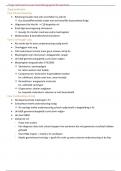
This poem has many features that are typical of Kavanagh
Place names
Local vernacular
Self-deprecation
Hyperbole used for humour
Erudite allusions coupled with simpler language
Ambivalence to place
FORM AND STRUCTURE
The poem consists of 3stanzas each made up of 5 lines
There are some rhymes and half rhymes but the poem does not have a regular rhyme scheme.
This creates the rhythms of the natural speaking voice
The irregularity of the rhyme scheme and rhythm creates a conversational style
Kavanagh uses simple conversational language
LANAGUGE AND IMAGERY
Title
The use of place names is typical of Kavanagh
The Gaelic mellifluous sounding place names emphasises Kavanagh’s identity with and love
of place
Body of Poem
Stanza 1
Line 1: The possessive pronoun “My” suggests Kavanagh’s identification with place. The
dark imagery “black hills” evokes an unappealing aesthetic and suggests the monotony of the
landscape. The emphatic use of negative “never” suggests that the landscape is characterised
by darkness. The personification of the landscape emphasises the empathy and intimate
relationship between farmer and place. The lack of sun implies a sense of bleakness in the
landscape
Line 2: The adverb “Eternally” implies that as long as Kavanagh remains in Shancoduff,
things will never change. The position of the adverb emphasises the perpetual state of the
poet. The reference to “Armagh” is very important. In Ancient Irish culture, Armagh was a
major city. There is a suggestion of the inferiority of rural Monaghan. The personification of
the Monaghan landscape may be an outward reflection of Kavanagh’s own sense of
inferiority and subordination
Line 3: The comic subversion of the biblical allusion to “Lot’s wife” implies the parochial
nature of the place and suggests they are slightly inward looking.
Line 4: The repetition of “black hills” coupled with the positive adjective “happy” suggests
Kavanagh’s ambivalence towards the place
Line 5: The clashing images of darkness in the previous line and luminosity in “dawn
whitens” contrasts the darkness of the Shancoduff landscape with the lighter, south-facing
Glassdrummond parish. The light imagery also implies faith and religion. There is an
This poem has many features that are typical of Kavanagh
Place names
Local vernacular
Self-deprecation
Hyperbole used for humour
Erudite allusions coupled with simpler language
Ambivalence to place
FORM AND STRUCTURE
The poem consists of 3stanzas each made up of 5 lines
There are some rhymes and half rhymes but the poem does not have a regular rhyme scheme.
This creates the rhythms of the natural speaking voice
The irregularity of the rhyme scheme and rhythm creates a conversational style
Kavanagh uses simple conversational language
LANAGUGE AND IMAGERY
Title
The use of place names is typical of Kavanagh
The Gaelic mellifluous sounding place names emphasises Kavanagh’s identity with and love
of place
Body of Poem
Stanza 1
Line 1: The possessive pronoun “My” suggests Kavanagh’s identification with place. The
dark imagery “black hills” evokes an unappealing aesthetic and suggests the monotony of the
landscape. The emphatic use of negative “never” suggests that the landscape is characterised
by darkness. The personification of the landscape emphasises the empathy and intimate
relationship between farmer and place. The lack of sun implies a sense of bleakness in the
landscape
Line 2: The adverb “Eternally” implies that as long as Kavanagh remains in Shancoduff,
things will never change. The position of the adverb emphasises the perpetual state of the
poet. The reference to “Armagh” is very important. In Ancient Irish culture, Armagh was a
major city. There is a suggestion of the inferiority of rural Monaghan. The personification of
the Monaghan landscape may be an outward reflection of Kavanagh’s own sense of
inferiority and subordination
Line 3: The comic subversion of the biblical allusion to “Lot’s wife” implies the parochial
nature of the place and suggests they are slightly inward looking.
Line 4: The repetition of “black hills” coupled with the positive adjective “happy” suggests
Kavanagh’s ambivalence towards the place
Line 5: The clashing images of darkness in the previous line and luminosity in “dawn
whitens” contrasts the darkness of the Shancoduff landscape with the lighter, south-facing
Glassdrummond parish. The light imagery also implies faith and religion. There is an