5. THE LEGAL SYSTEM
3 branches of power
1. Legislative (Parliament) – Represents the people’s will
2. Executive (government) – Represents the will of the majority
3. Judicial (courts of law) - Represents the rule of law
o Nothing and no one’s above the law – not even the King
o Similar cases have to be treated alike
- Which documents established this law the first time?
o 1215 – Magna Carta
o 1689 – Bill of Rights
COMMON LAW CIVIL LAW
English speaking countries Hungary, for example, has this
Results of customs and former decisions Primary source of law: legislation
Jury of 12 people (their task is to figure out
whether the defendant is guilty or not, the judge No jury
only decides on the length of punishment)
Adversarial system
(Goal: to persuade the jury of Inquisitorial system (goal: finding the truth)
their own side through a debate)
Innocent until proven guilty Guilty until proven innocent
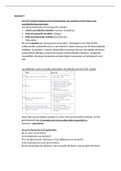
The Court structure of the UK
A case can be:
- Civil case (not the same as civil law!) (business, divorce, contracts… etc.)
- Criminal case (when a crime is committed)
The police of the UK
No national police force, instead, local police forces for each county. London has one of its own: the
Metropolitan Police
3 branches of power
1. Legislative (Parliament) – Represents the people’s will
2. Executive (government) – Represents the will of the majority
3. Judicial (courts of law) - Represents the rule of law
o Nothing and no one’s above the law – not even the King
o Similar cases have to be treated alike
- Which documents established this law the first time?
o 1215 – Magna Carta
o 1689 – Bill of Rights
COMMON LAW CIVIL LAW
English speaking countries Hungary, for example, has this
Results of customs and former decisions Primary source of law: legislation
Jury of 12 people (their task is to figure out
whether the defendant is guilty or not, the judge No jury
only decides on the length of punishment)
Adversarial system
(Goal: to persuade the jury of Inquisitorial system (goal: finding the truth)
their own side through a debate)
Innocent until proven guilty Guilty until proven innocent
The Court structure of the UK
A case can be:
- Civil case (not the same as civil law!) (business, divorce, contracts… etc.)
- Criminal case (when a crime is committed)
The police of the UK
No national police force, instead, local police forces for each county. London has one of its own: the
Metropolitan Police